
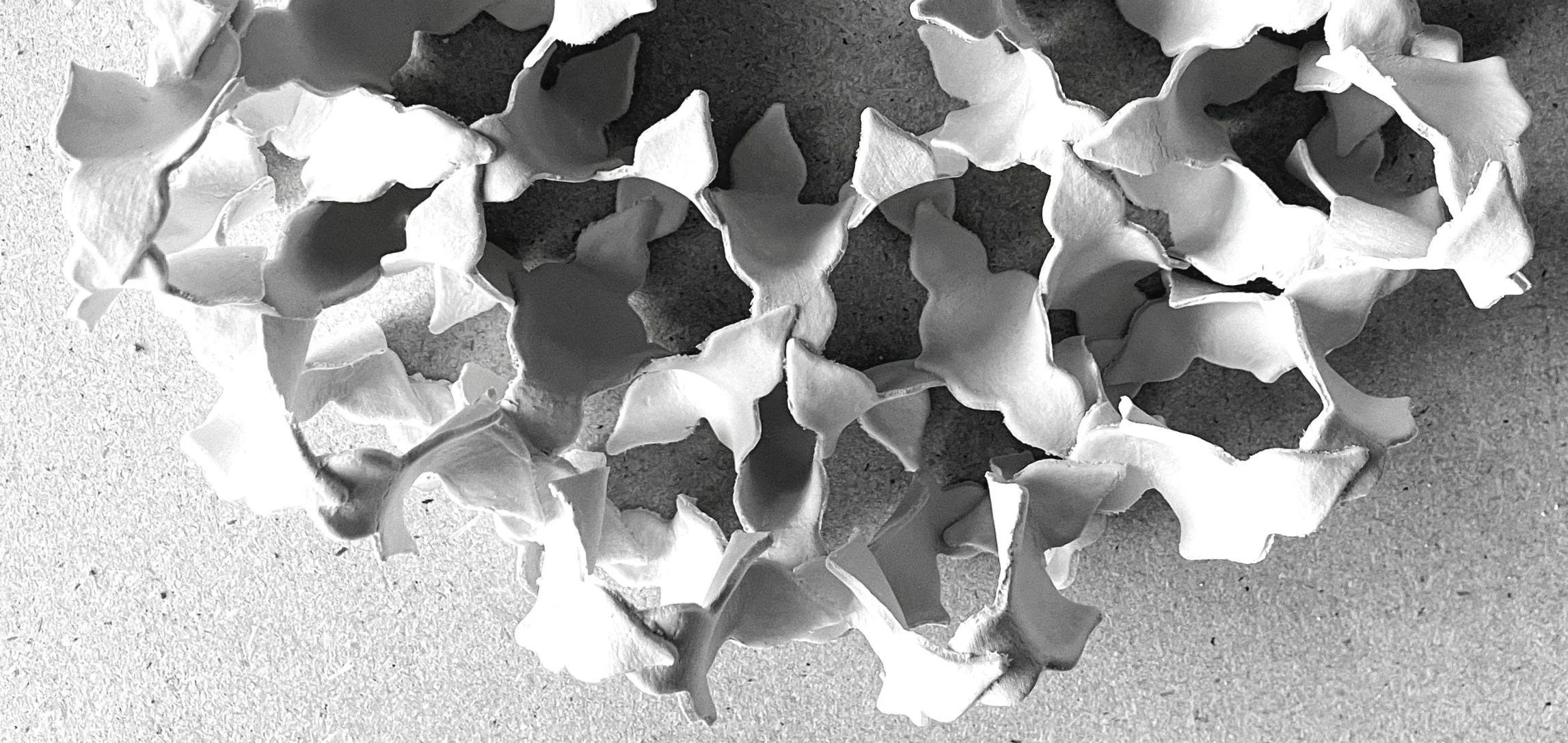
2025 - ongoing
Buildings increasingly rely on energy-intensive mechanical systems to maintain comfortable indoor climates. As global temperatures rise, cooling has become one of the fastest-growing sources of energy consumption. At the same time, outdoor environments are experiencing increasing heat stress. This investigation explores how silicate materials can actively contribute to more climate-responsive architecture and public spaces.
Passive Cooling explores how silicate materials can become active environmental interfaces that regulate environmental conditions through their intrinsic material behaviour and spatial organisation. The project investigates architecture as an environmental system where materials, geometry and natural processes work together to regulate climate.

INVESTIGATION
Passive Cooling investigates how silicate materials can become active environmental agents within climate-responsive architecture.
The research combines two interconnected fields of investigation. The first develops porous ceramic materials derived from industrial by-products, construction and demolition waste, geological resources and other silicate-based material streams. The second explores how geometry, fabrication and spatial organisation can amplify the environmental performance of these materials through airflow, water retention, evaporation, shading and thermal exchange.
The investigation operates across multiple scales, connecting material behaviour, architectural geometry and environmental performance into one integrated system.
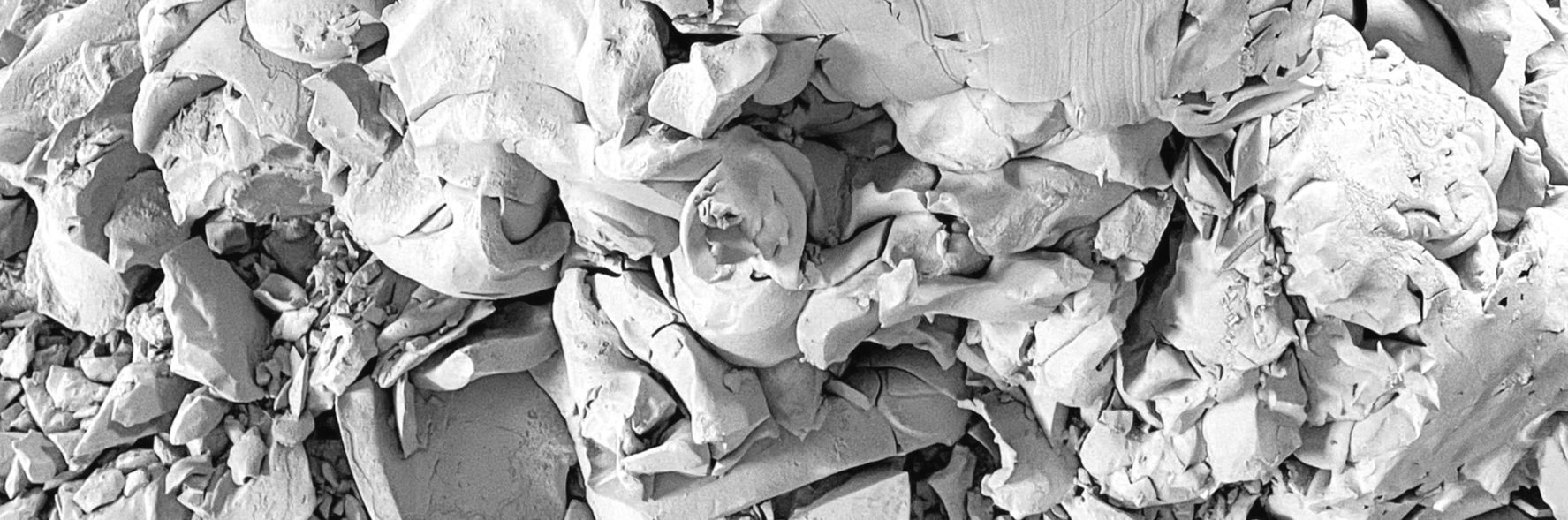
Material Development
The investigation develops porous ceramic systems from a wide range of silicate resources, including industrial by-products, construction and demolition waste, mineral residues, discarded ceramics, glass waste and bio-based additives.
The research investigates how different silicate resources can acquire new environmental functions through transformation.
Material composition becomes one variable within a broader environmental interface, where material behaviour, geometry and environmental conditions collectively shape architectural performance.