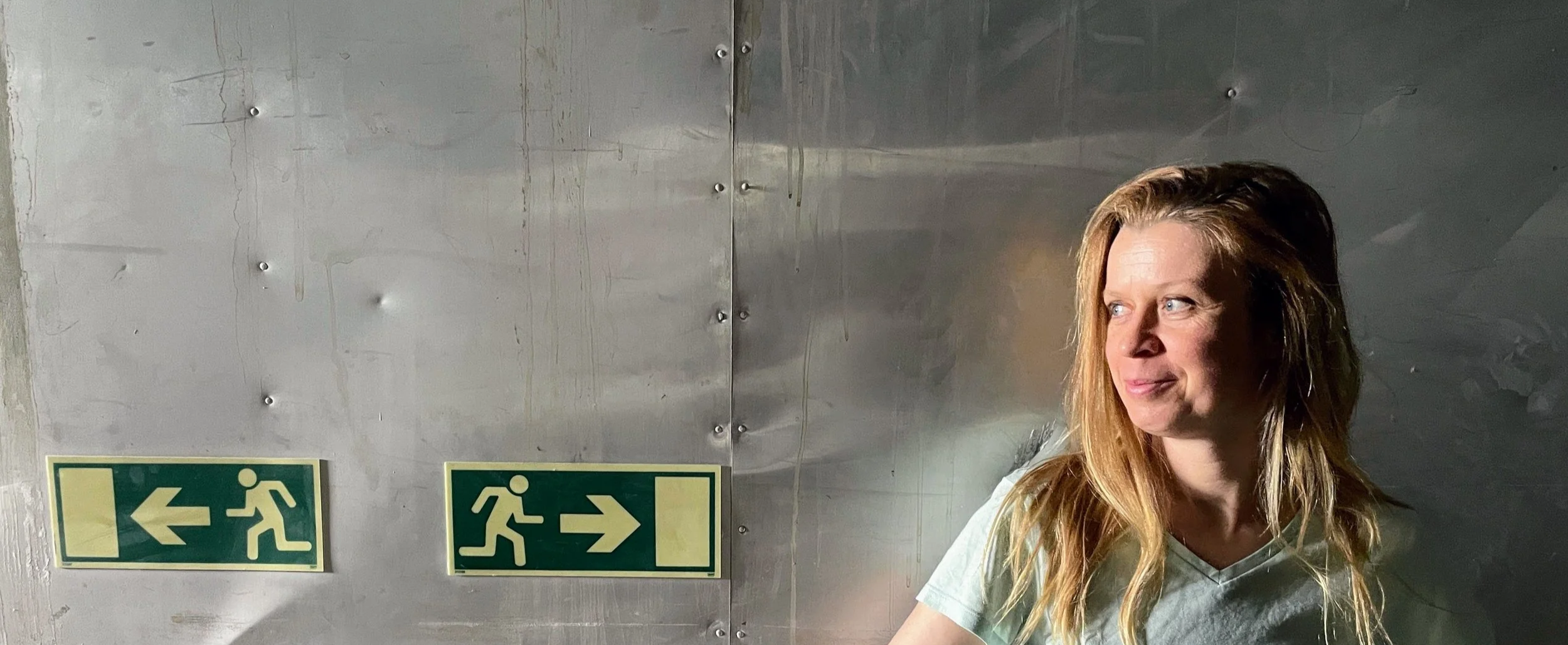
Artist · Designer · Researcher
Born in Transylvania · Educated in Budapest · Based in Sweden
My practice investigates how silicate materials connect environmental, cultural and architectural systems, revealing new possibilities through transformation.
Working across artistic research, architecture and environmental material research, I explore how materials acquire new meanings, functions and forms of agency as they enter into new relationships with people, places, histories and ecological processes.
For me, silicate materials are not simply a medium. They provide a way of understanding how natural, cultural and built environments continually transform one another.
Following Curiosity
My practice began long before I knew what ceramics was.
Growing up in Transylvania, I spent much of my childhood outdoors, collecting soils, sands and stones, comparing them, mixing them and watching how they behaved. I was fascinated by how materials that looked almost identical could become something completely different.
That curiosity has never really changed.
It led me from geology to silicate materials, from university to factories, from architectural conservation to environmental research.
Learning by Following Curiosity
I've always learned by moving closer to the places where knowledge already exists.
University introduced me to the language of silicate materials.
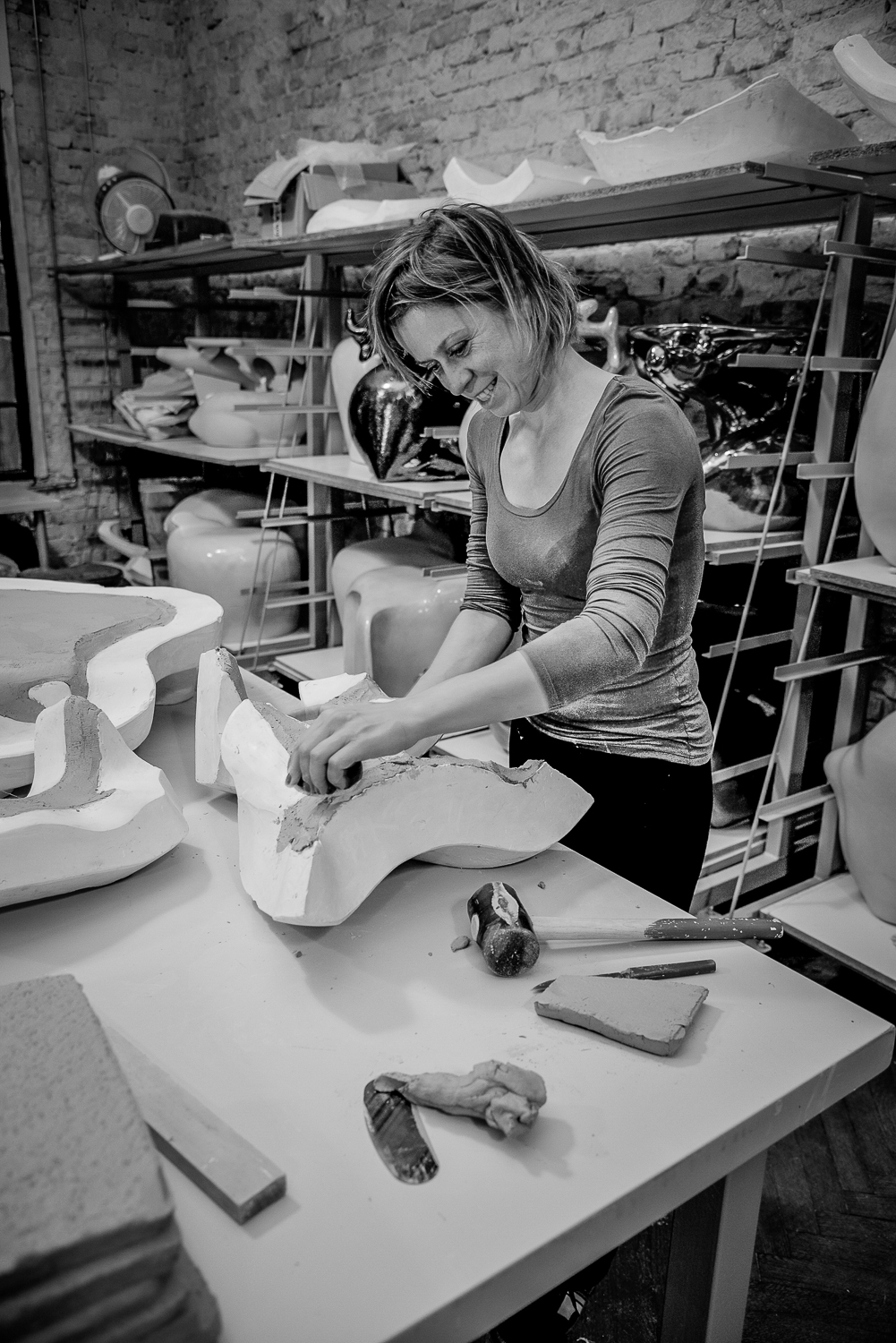
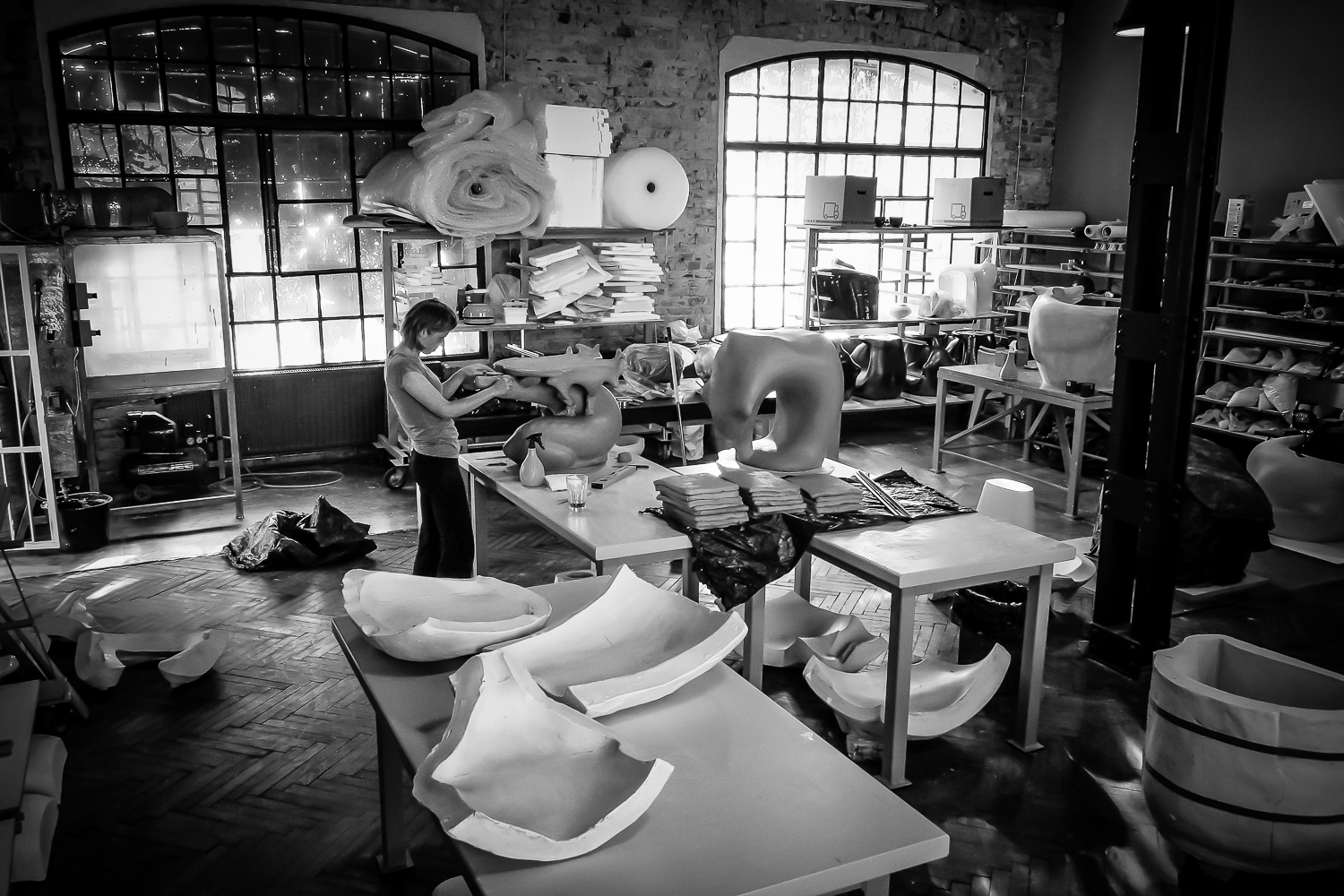
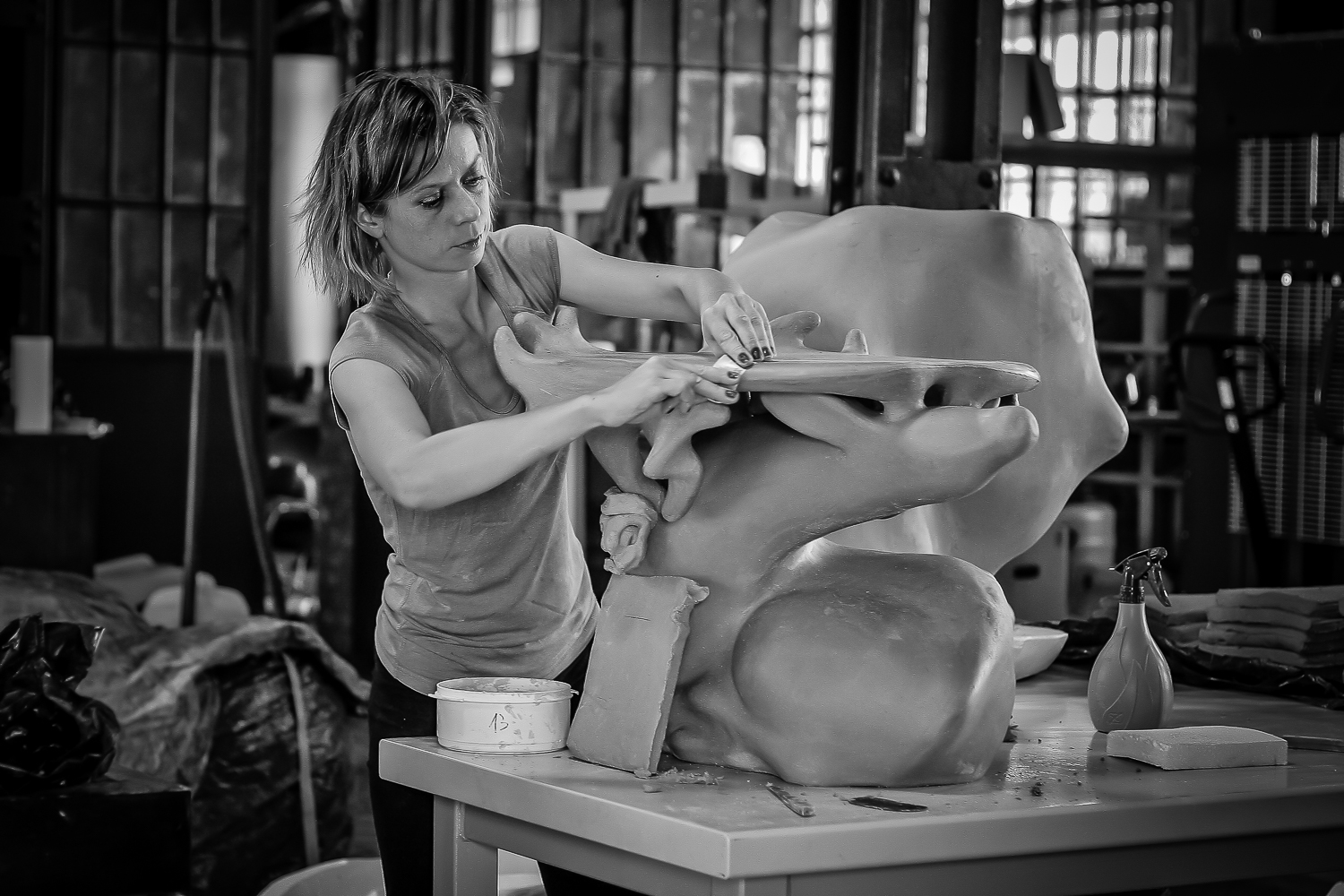
Factories revealed how knowledge accumulates through making.
Architectural conservation taught me that materials also carry time.
Working with architects shifted my attention from objects to environments.
Today, collaborations with scientists, engineers and local communities continue that same journey, each offering another way of understanding the same questions.
Why Silicate Materials?
I work with silicate materials because they naturally connect processes that are usually understood separately.
Clay, brick, porcelain, glass and stone belong to the same geological family, linking landscapes, architecture and culture through material transformation.
What fascinates me most is that these same materials also hold enormous potential for addressing contemporary environmental challenges. They move naturally between geology, architecture, infrastructure and environmental systems, allowing artistic research, environmental questions and the built environment to become part of the same investigation.
From Objects to Relationships
My earlier work often began with the material itself.
How can ceramics shape sound?
How can they transmit light?
How can industrial waste become a new material?
Gradually another question became more important.
What relationships can materials create?
Between people and places.
Between history and the future.
Between architecture and climate.
That shift changed my practice. The object became not the destination, but evidence of a larger investigation into how new possibilities emerge when relationships are reorganised.
Why It Matters Today
Many of today's challenges no longer fit comfortably within a single discipline. Questions of climate, resources, heritage and the built environment require different forms of knowledge to meet.
Silicate materials provide a common ground where geology, architecture, environmental research and artistic practice can work together. Collaboration therefore becomes an essential part of the investigation, not simply a way of delivering projects.
Research in Practice
My investigations develop through collaboration with manufacturers, universities, architects, cultural institutions and communities. Working across these different environments allows material research to move between laboratory, factory, landscape and architecture.
Looking Forward
Today my work increasingly brings together artistic research, architecture and environmental material research through long-term collaborations with architects, scientists, engineers and local communities.
I don't expect every project to provide an answer.
I hope each one asks a better question than the last.

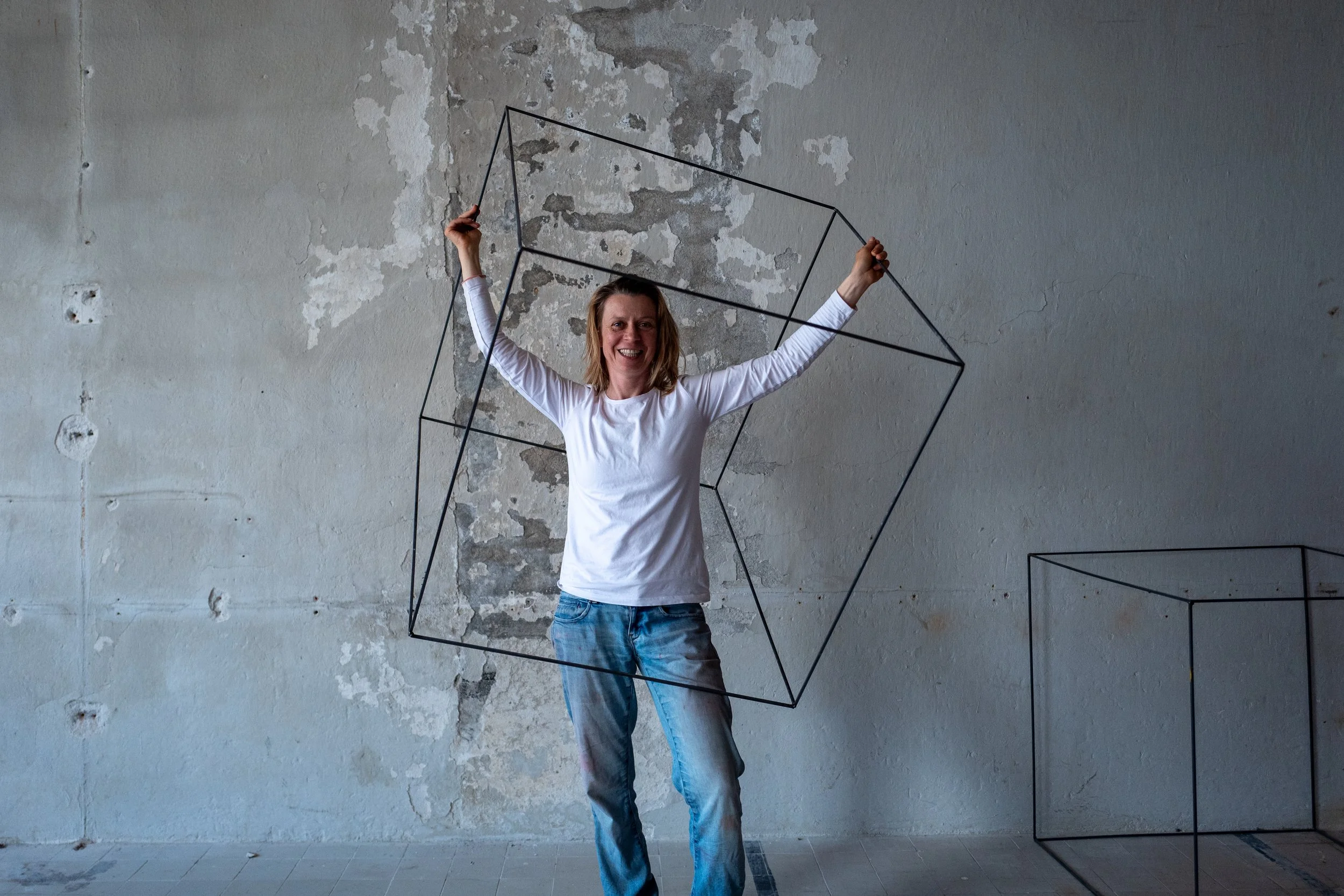


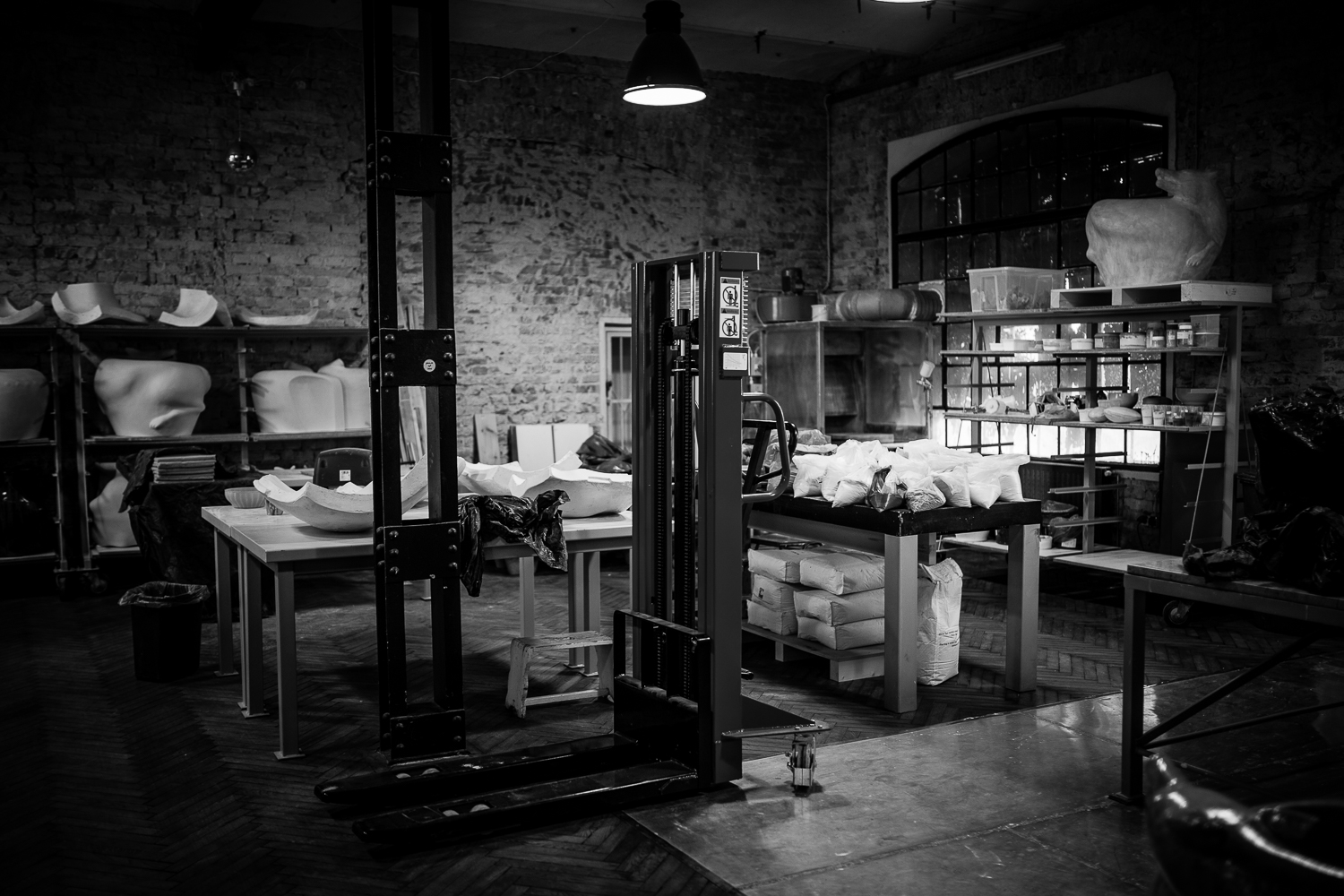
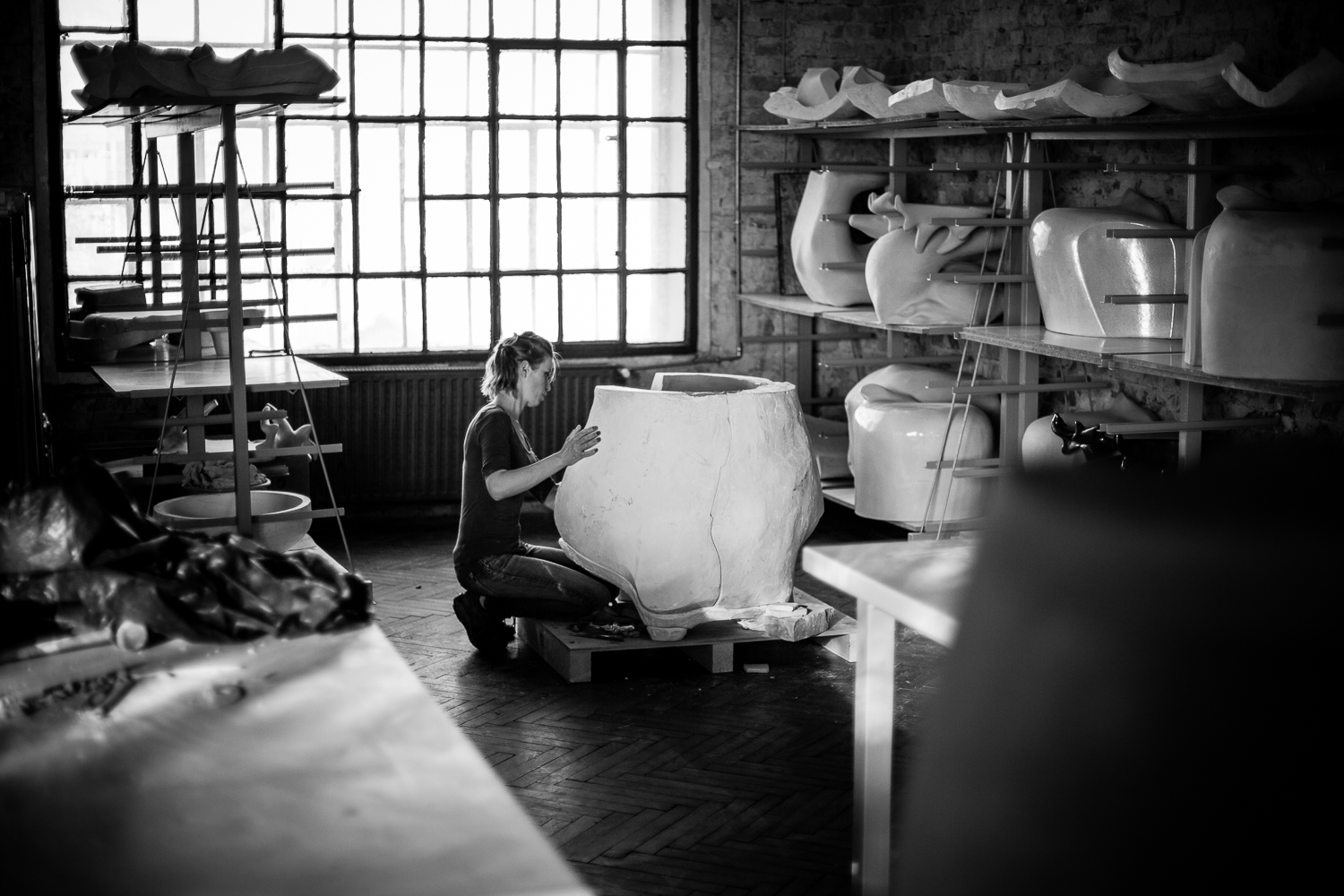
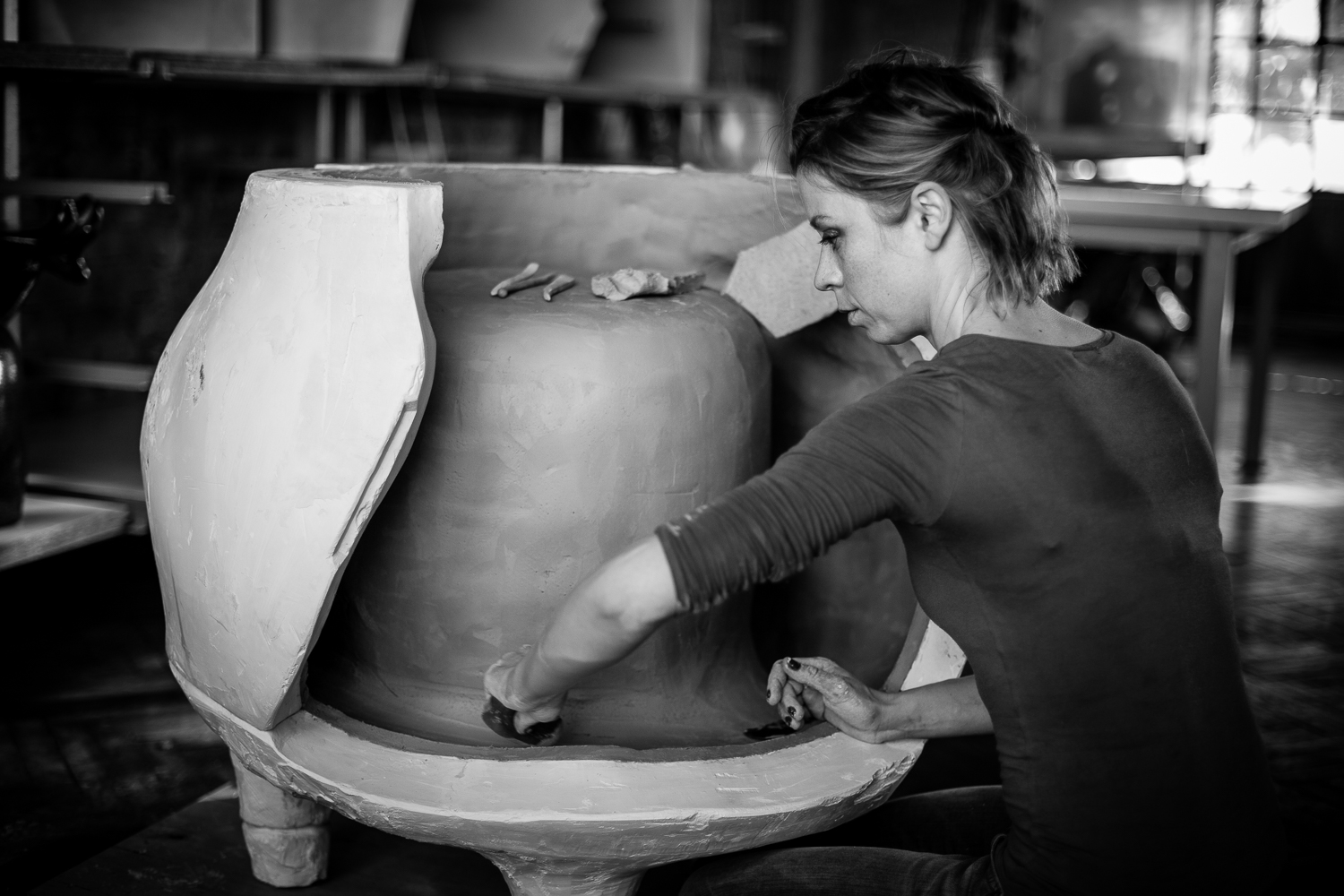
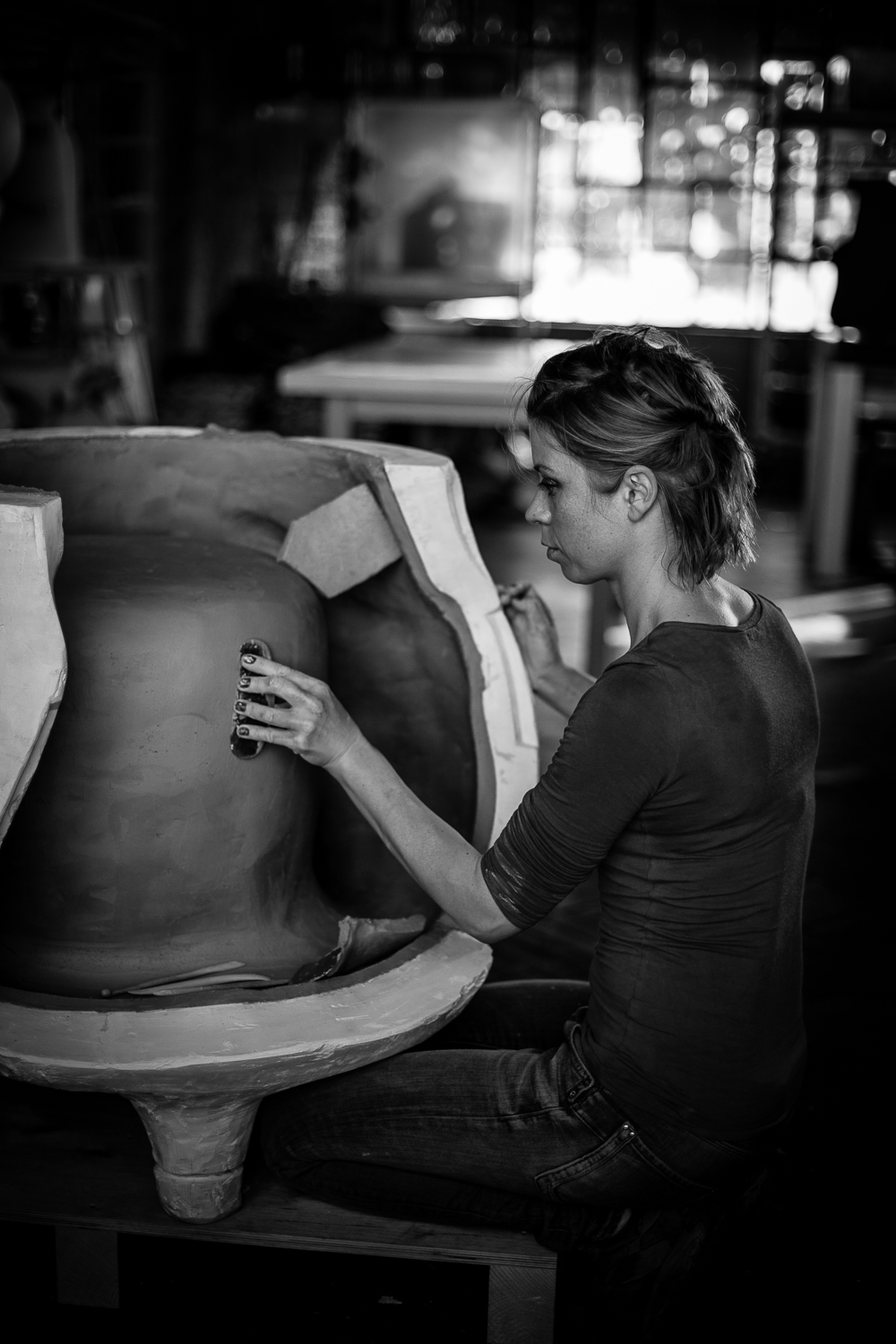
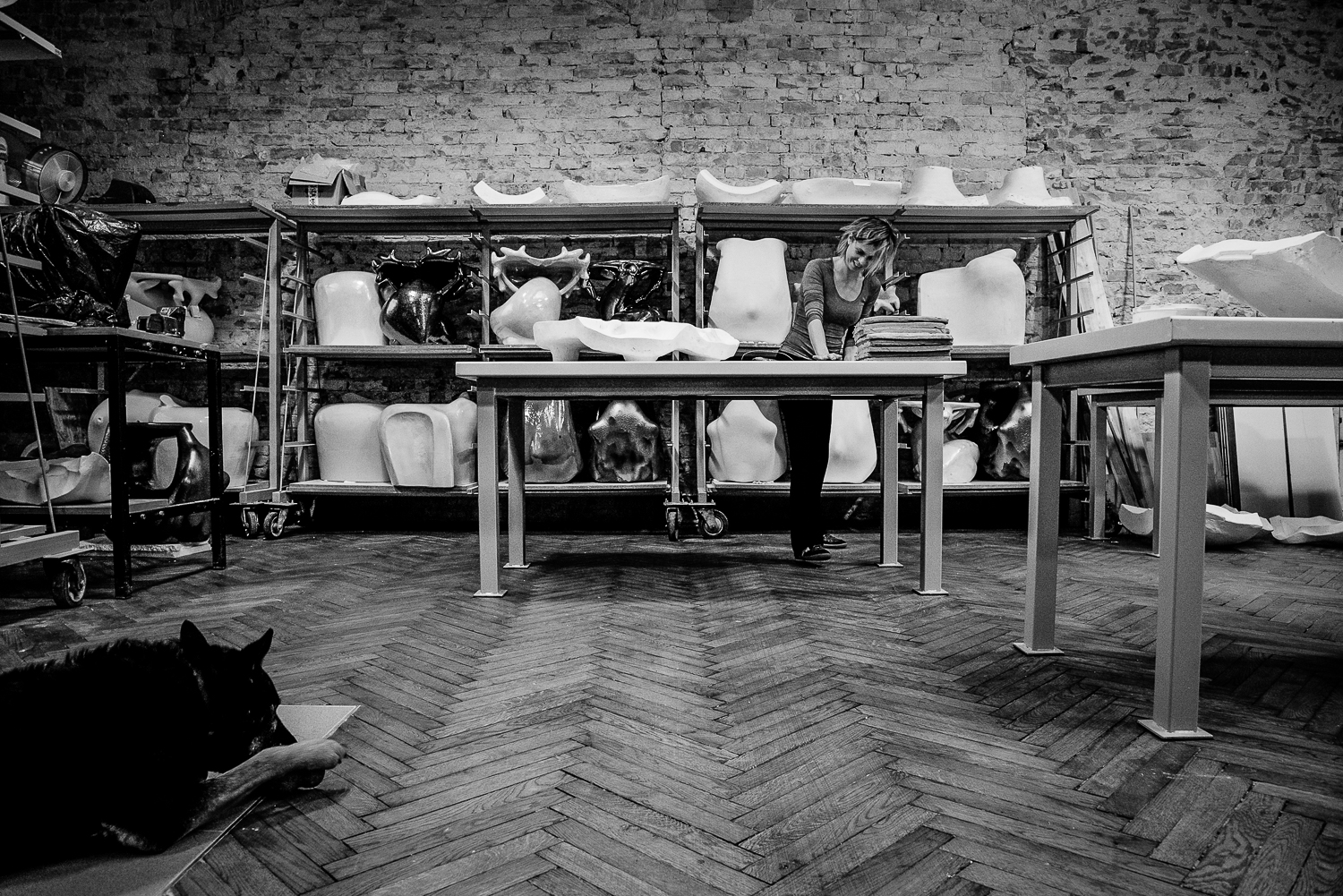
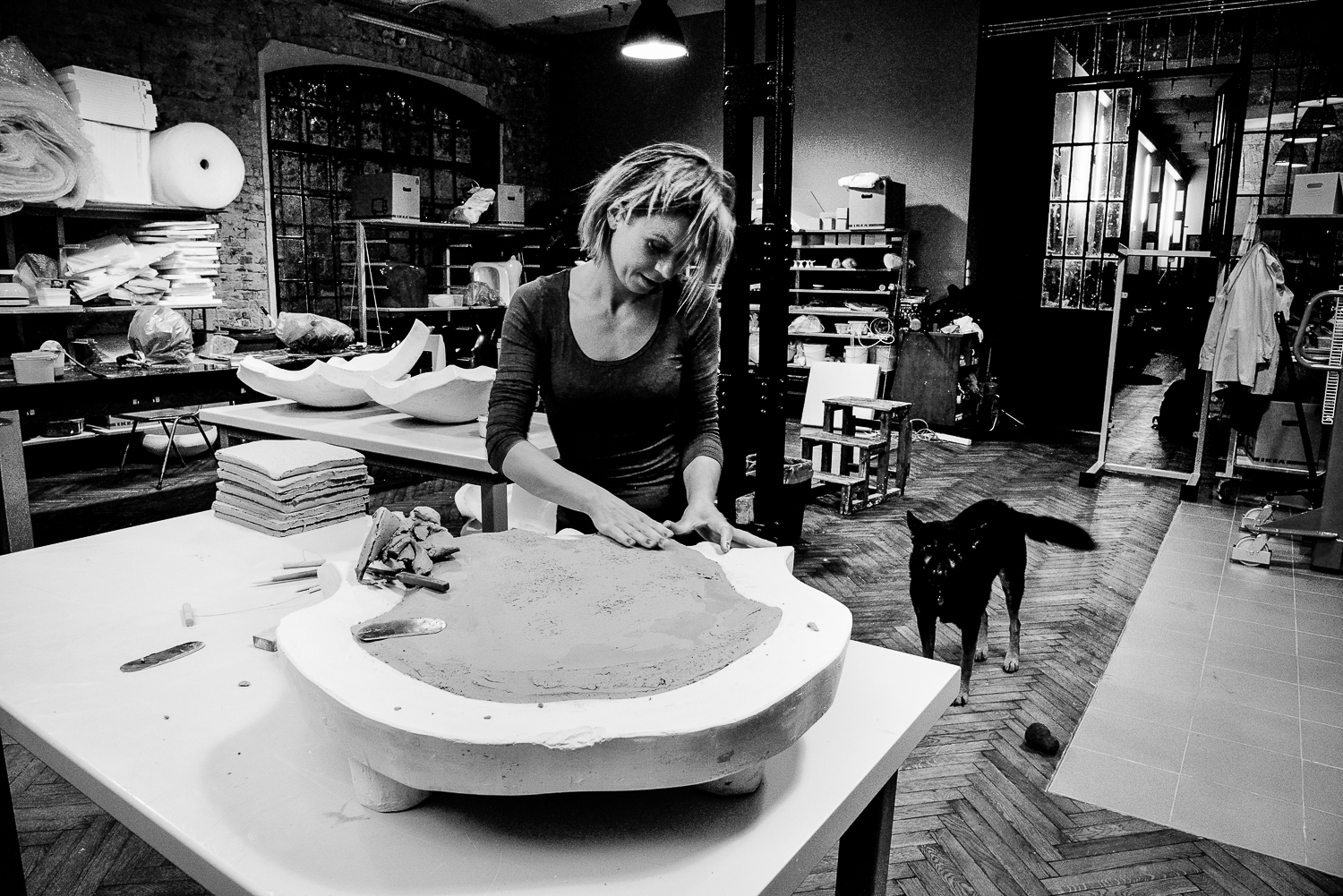
Practice Profile outlining the research trajectory, material investigations, collaborations, teaching and professional experience behind the work: