
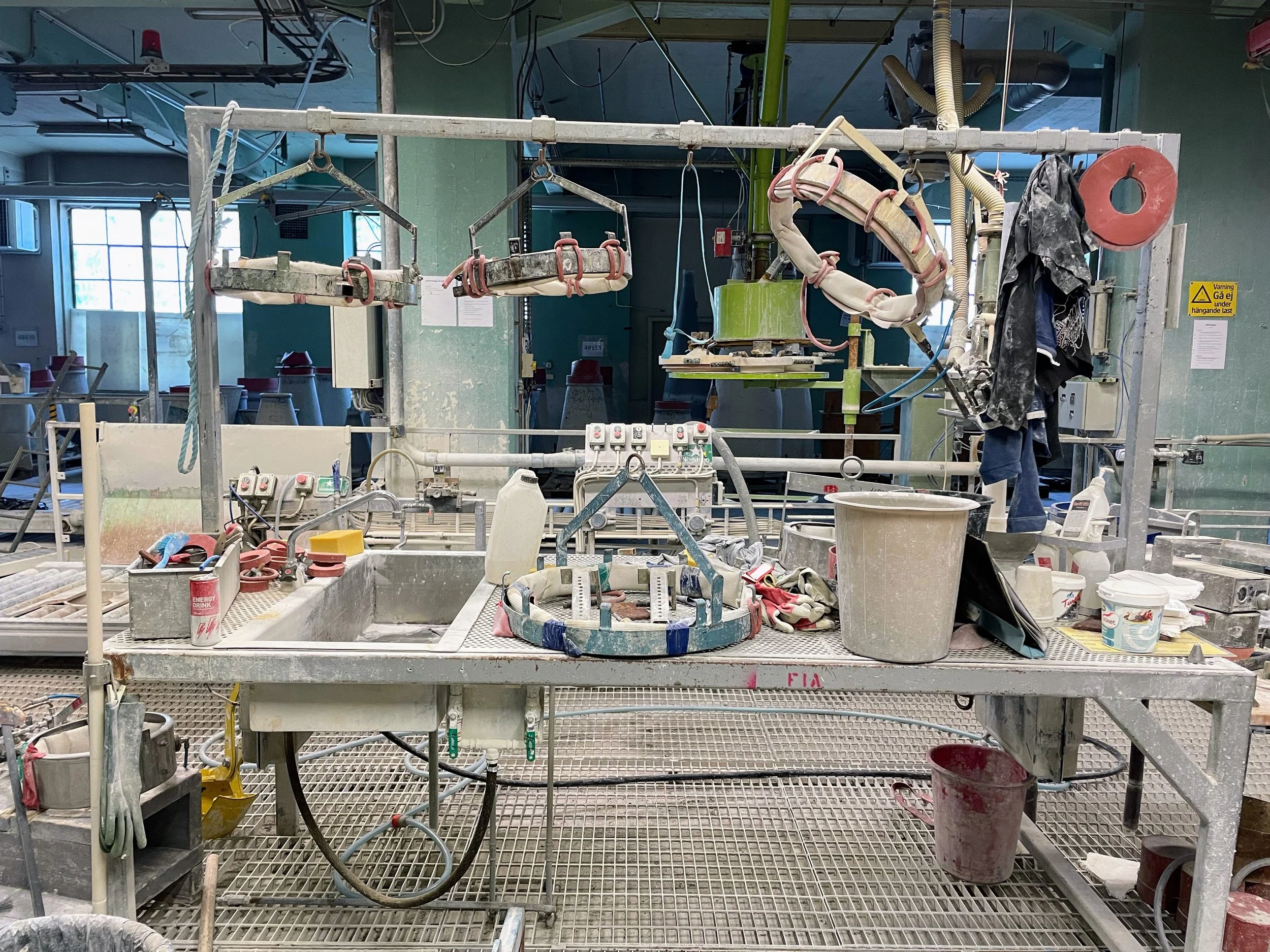
Environmental Agency investigates how silicate materials move beyond passive construction or manufacturing roles to become active participants in environmental processes. Rather than treating materials as static substances, this lens explores how they can regulate climate, regenerate places, strengthen environmental relationships and reshape the ways people engage with local resources.
The investigations operate across multiple scales - from material development and local making to landscape regeneration and climate-responsive architecture. Some projects recover industrial by-products as new ceramic resources, others cultivate regional material cultures, while others propose architectural systems that actively regulate temperature, airflow and water.
Together, these investigations ask how materials can contribute to environmental resilience not only through technological innovation, but also by transforming relationships between people, place and the built environment.
INVESTIGATIONS
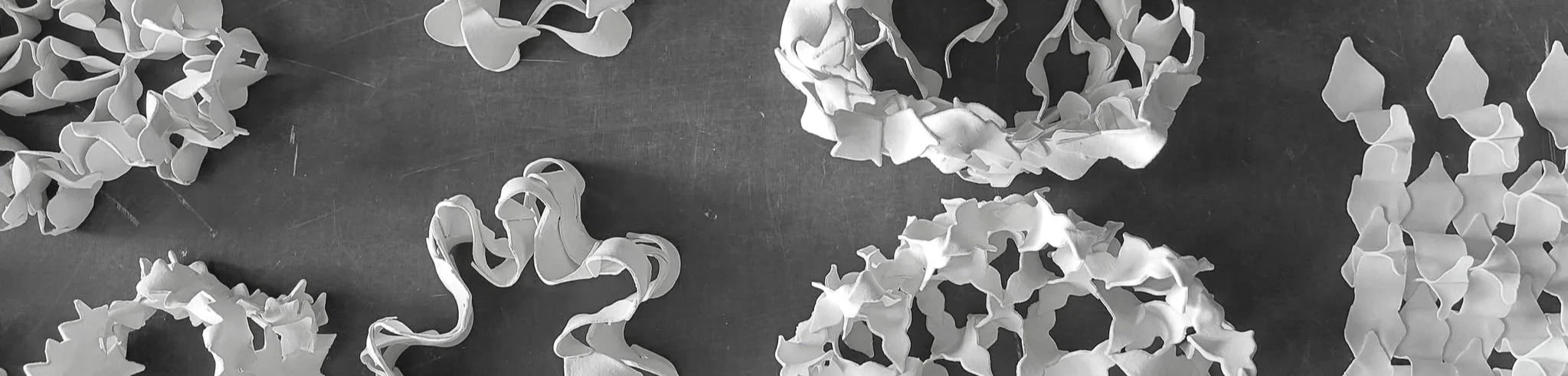
Passive Cooling
Material ↔ Climate
Redefining architecture as a climate-responsive system by enabling silicate waste streams to actively participate in environmental processes.
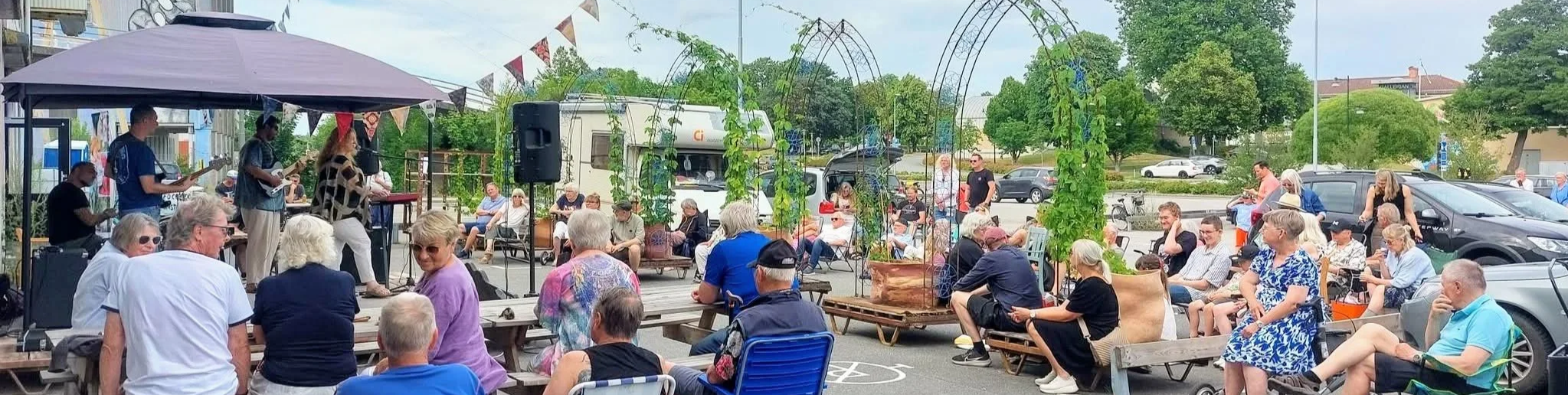
Waste to Resource at ifö center
Material ↔ History
Strengthening local identity and institutional capacity through the metamorphic regeneration of industrial silicate waste, opening new environmental, cultural and architectural opportunities.
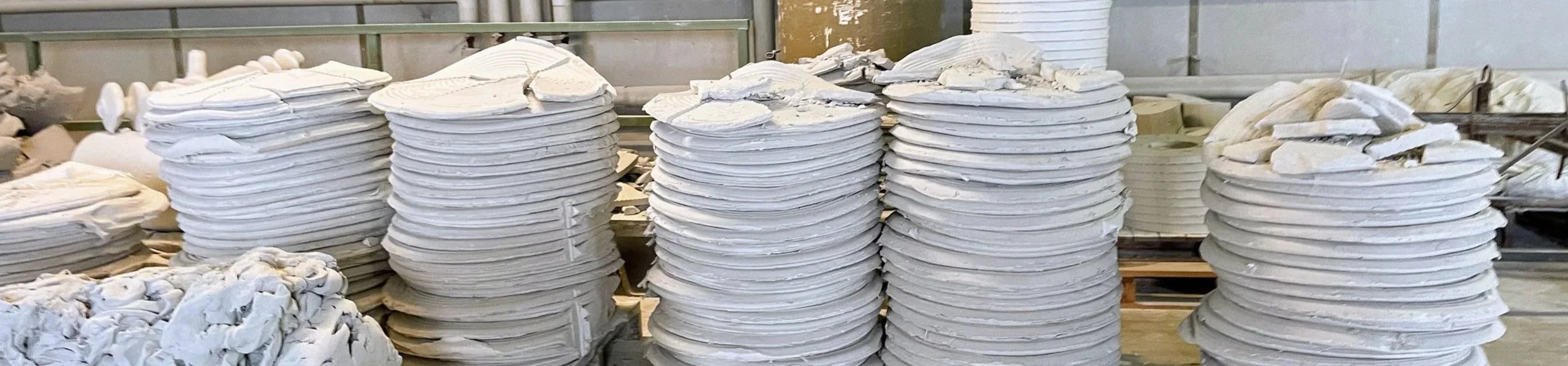
local material practice
Material ↔ Place
Strengthening environmental responsibility and local identity by reconnecting material practice with regional resources, industries and cultures of making.