

The closure of the Iföverken ceramic insulator factory left behind more than abandoned buildings. It left geological resources, industrial infrastructures, material knowledge and collective memories that continue to shape the identity of Bromölla.
Waste to Resource investigates how industrial silicate remnants can actively participate in new environmental, cultural and architectural systems.
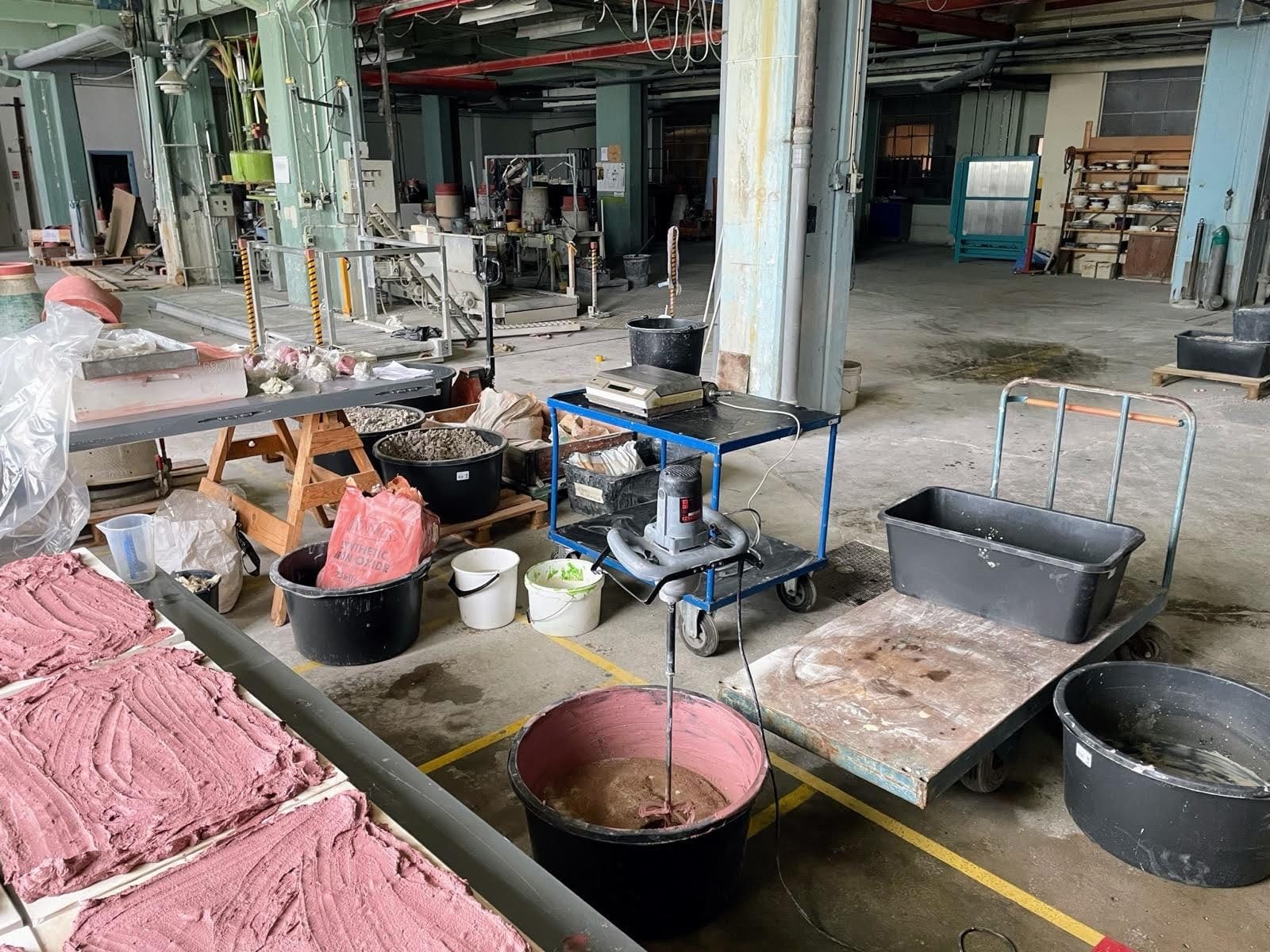
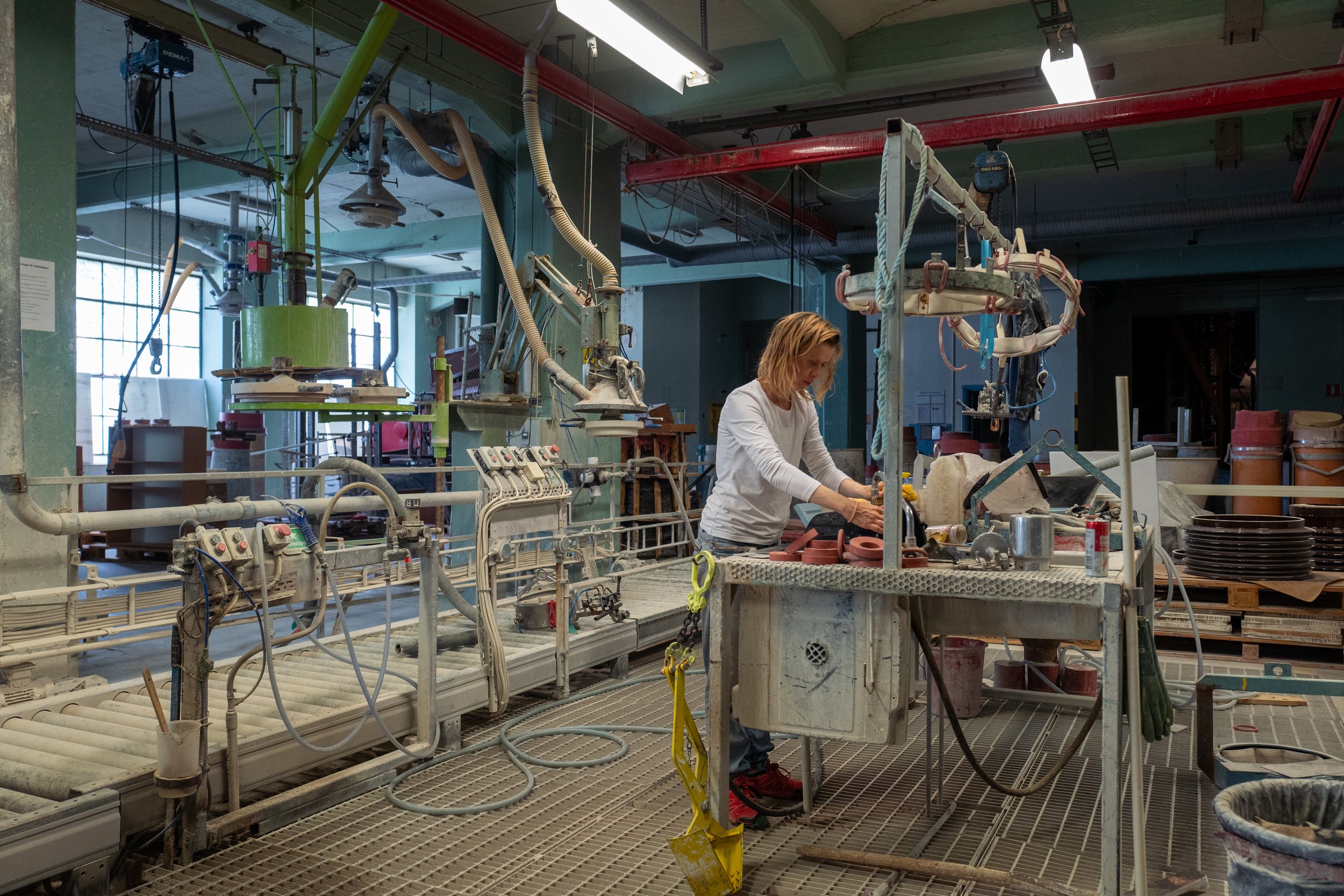
Working directly within the former factory, the project develops new ceramic materials from abandoned industrial waste while exploring how material transformation regenerates relationships between industry, landscape, community and the built environment.
The investigation contributes to the ongoing development of Environmental Interface Design, exploring how silicate materials can actively connect environmental, cultural and architectural systems through material research and design.
Investigation
Waste to Resource investigates how industrial silicate waste becomes the material foundation for environmental regeneration.
New ceramic clay bodies and material systems are developed directly from abandoned factory materials and tested through architectural elements, public installations and everyday objects.
The investigation explores how transformed materials regenerate ecological processes, activate public participation, strengthen regional identity and reveal the geological and industrial histories embedded within the landscape.
Material research therefore becomes a way of investigating relationships between materials, people, industry and place.
2024
Waste ↔ Resource
Industry ↔ Ecology
History ↔ Future
Material ↔ Community
Architecture ↔ Landscape
Plants ↔ People
Industrial Heritage ↔ Local Identity
Geology ↔ Culture
Context
AG30 Residency, Ifö Center
CCI4Change
Region Skåne
European Union
Location
Former Iföverken ceramic insulator factory area
Bromölla, Sweden
Material Regeneration
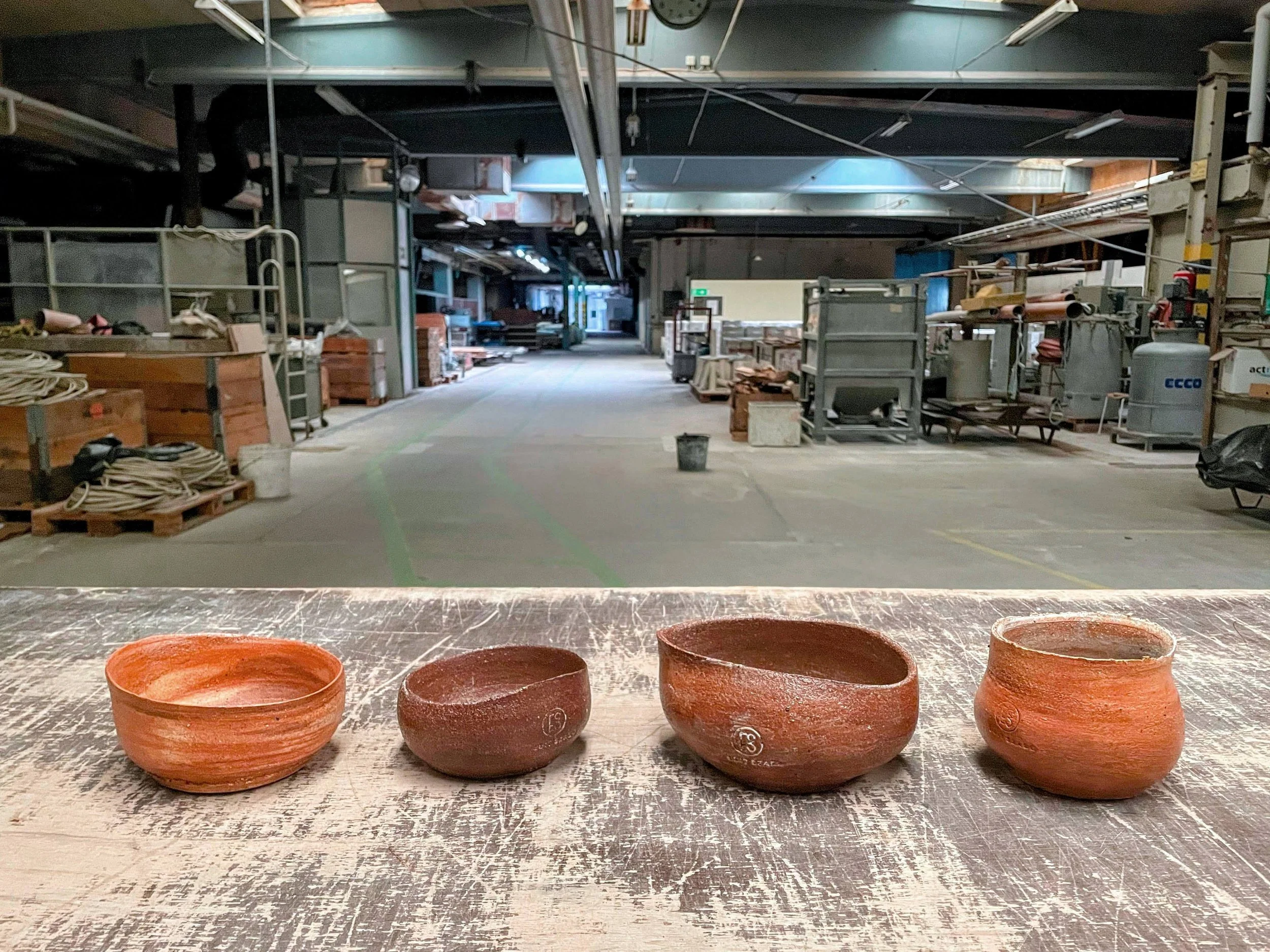
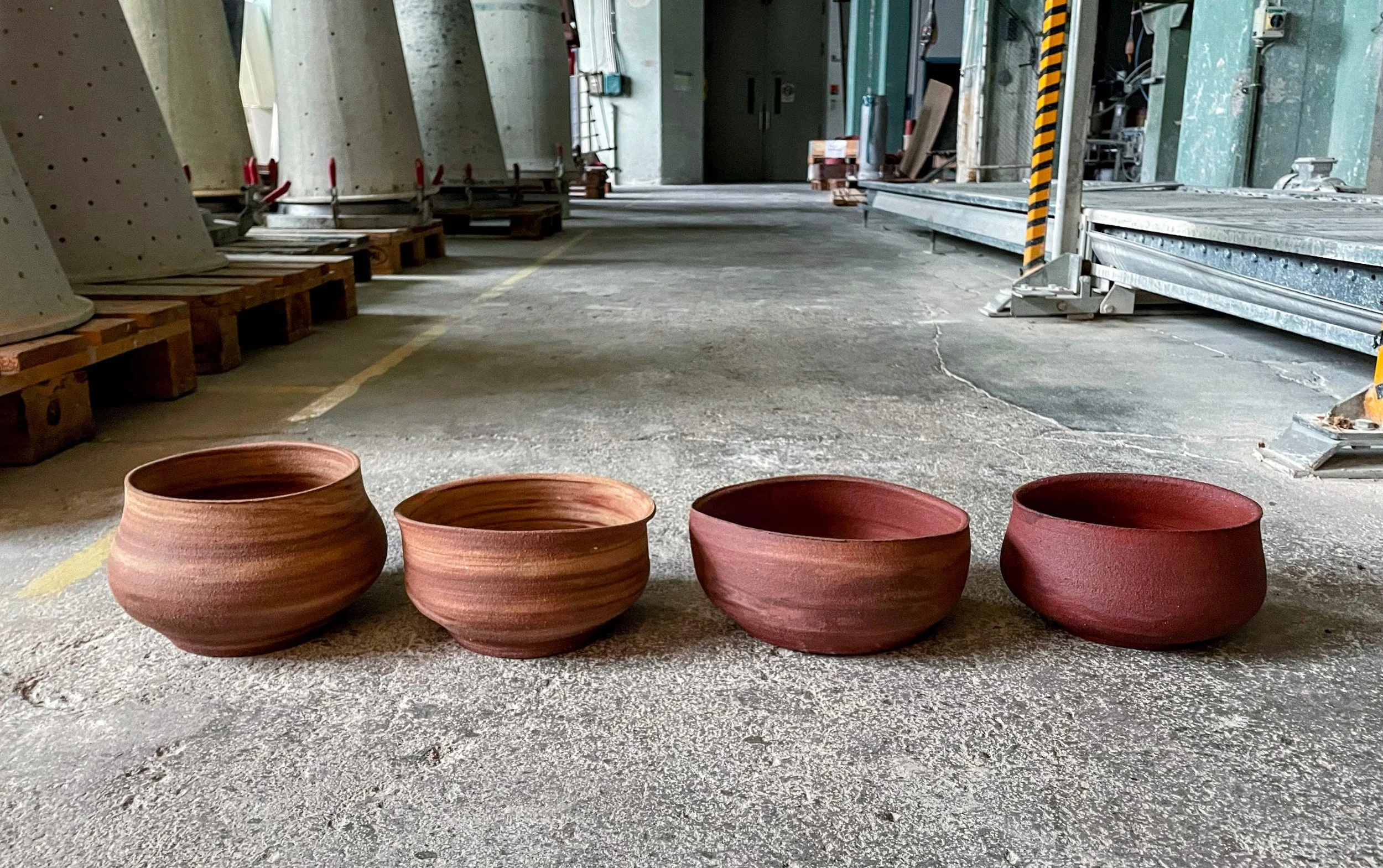
Industrial silicate waste collected across the former factory site becomes the basis for new ceramic clay bodies and material systems.
These locally developed materials establish a foundation for future artistic and architectural production while demonstrating how existing regional resources can support new environmental applications.
Material regeneration reconnects geological resources, industrial knowledge and contemporary making within one evolving material system.



Iföplants
Their apparent function is to hold plants.
Their deeper function is to cultivate relationships.
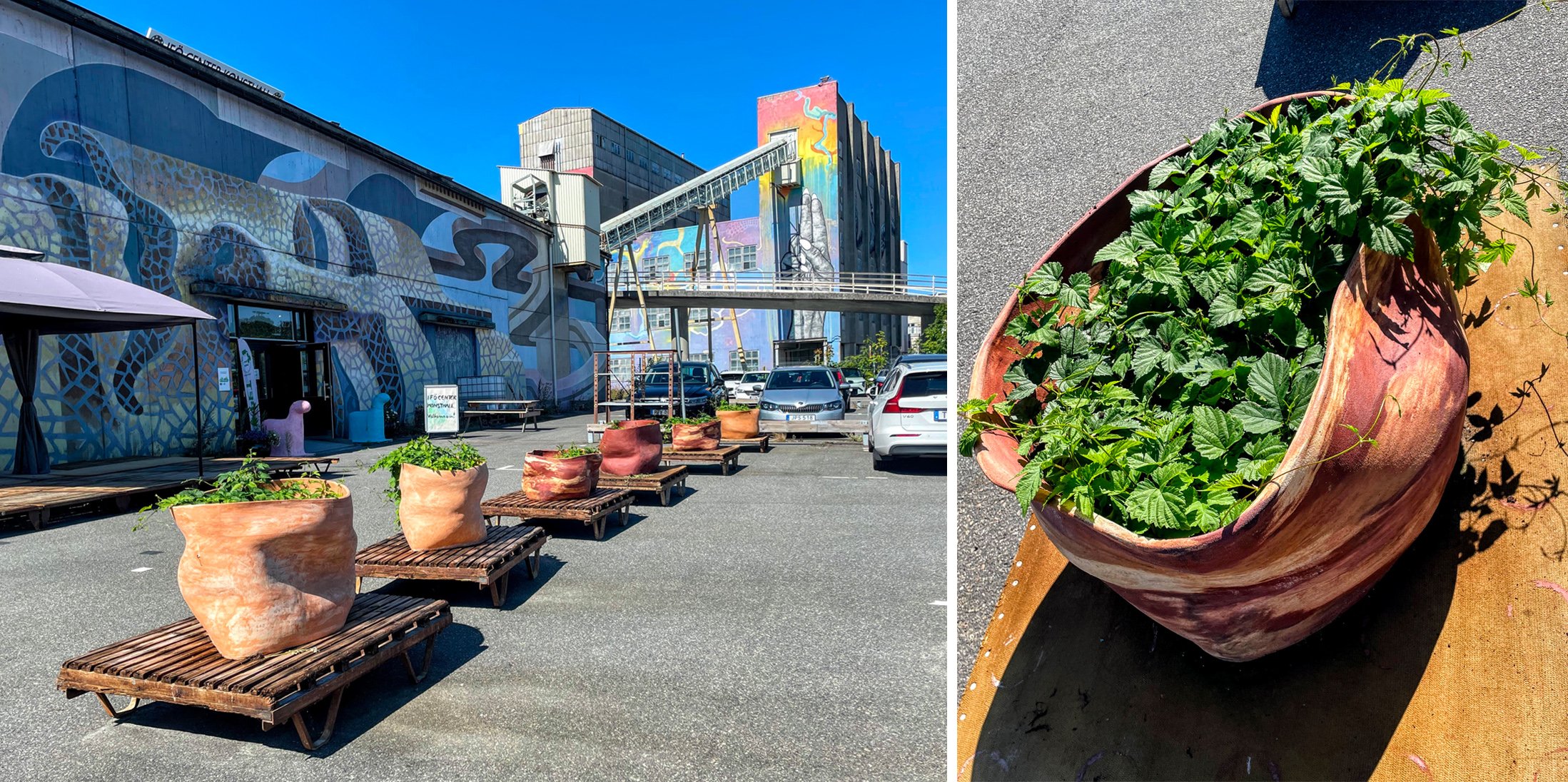
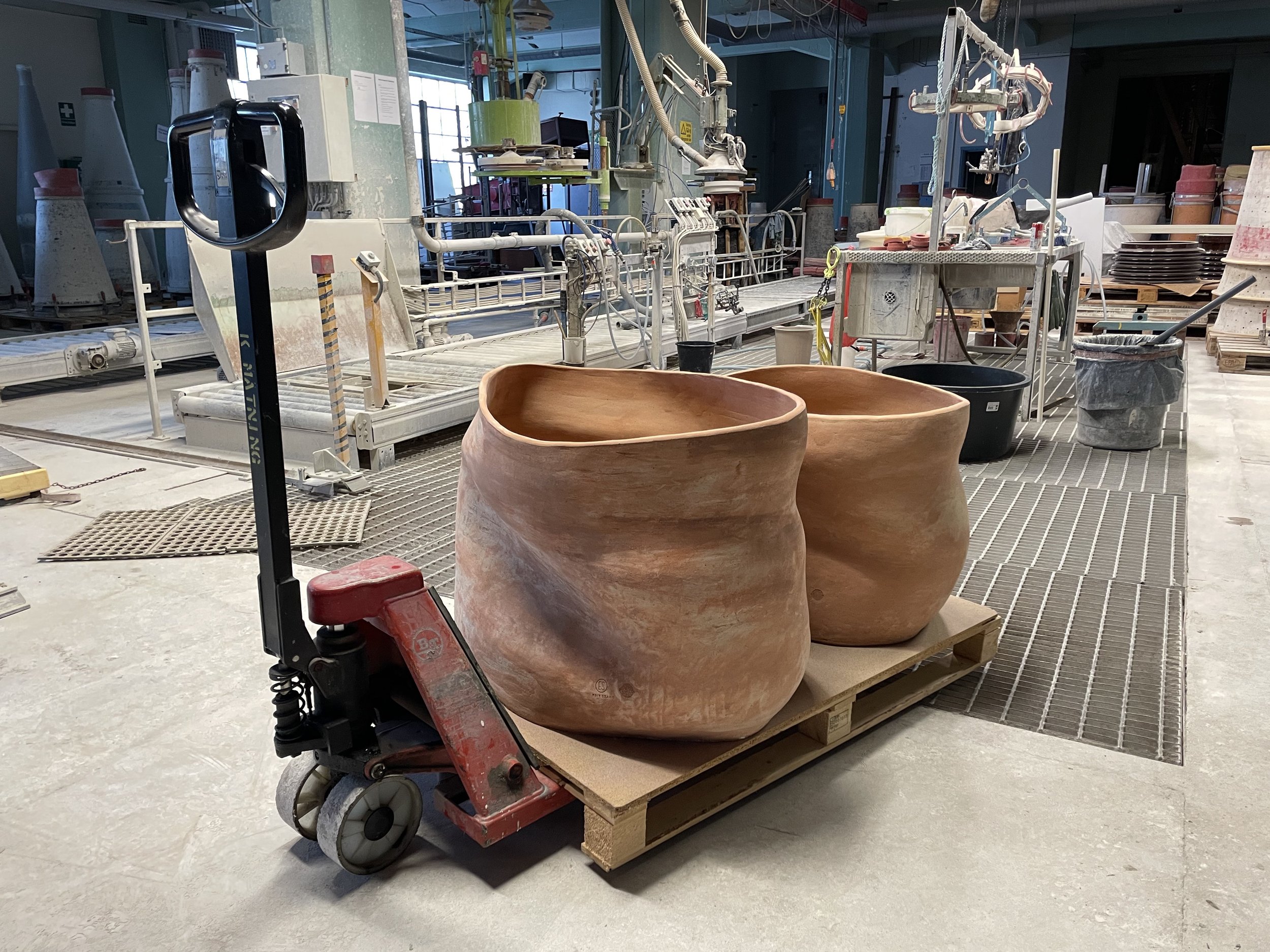
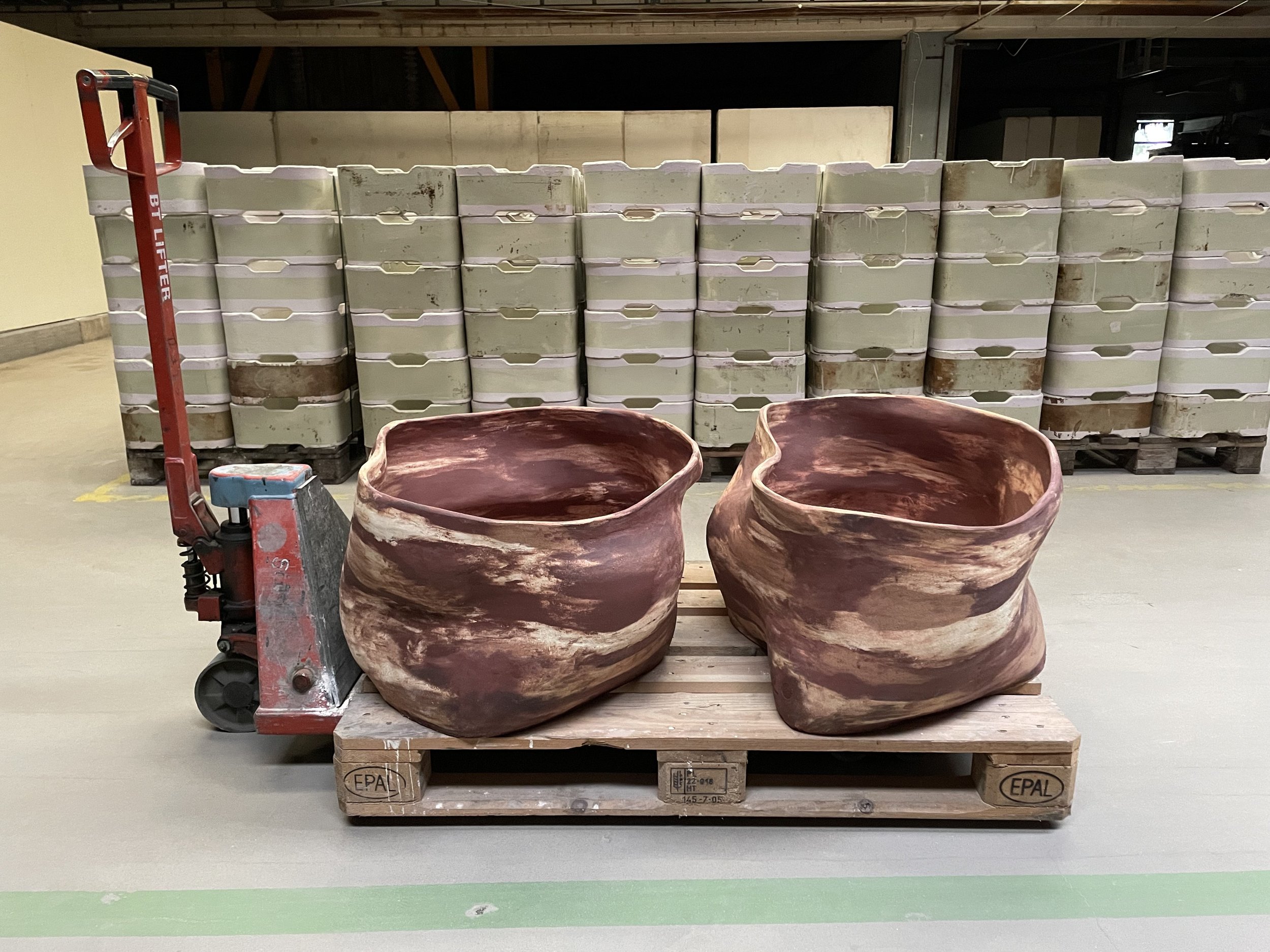
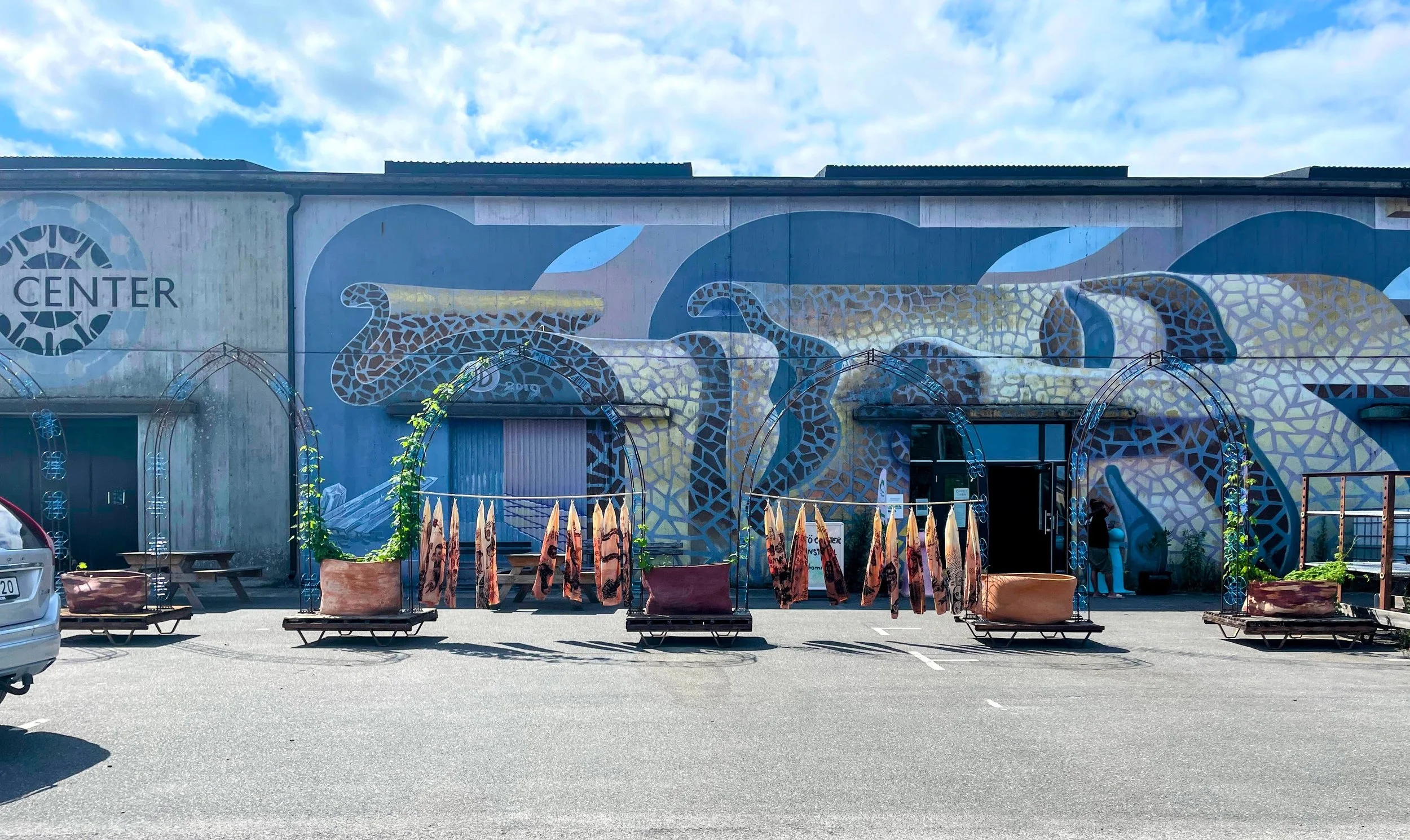
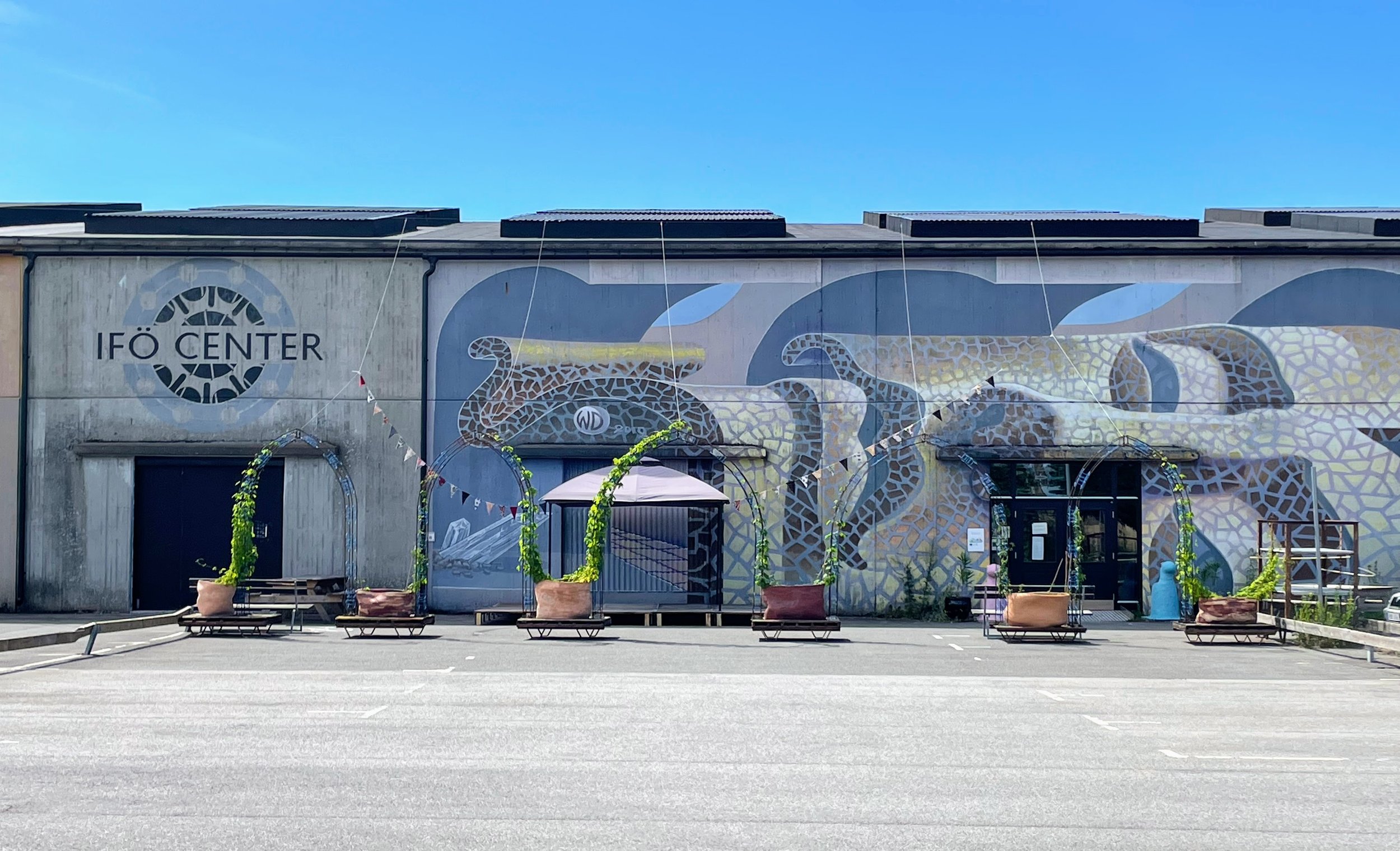
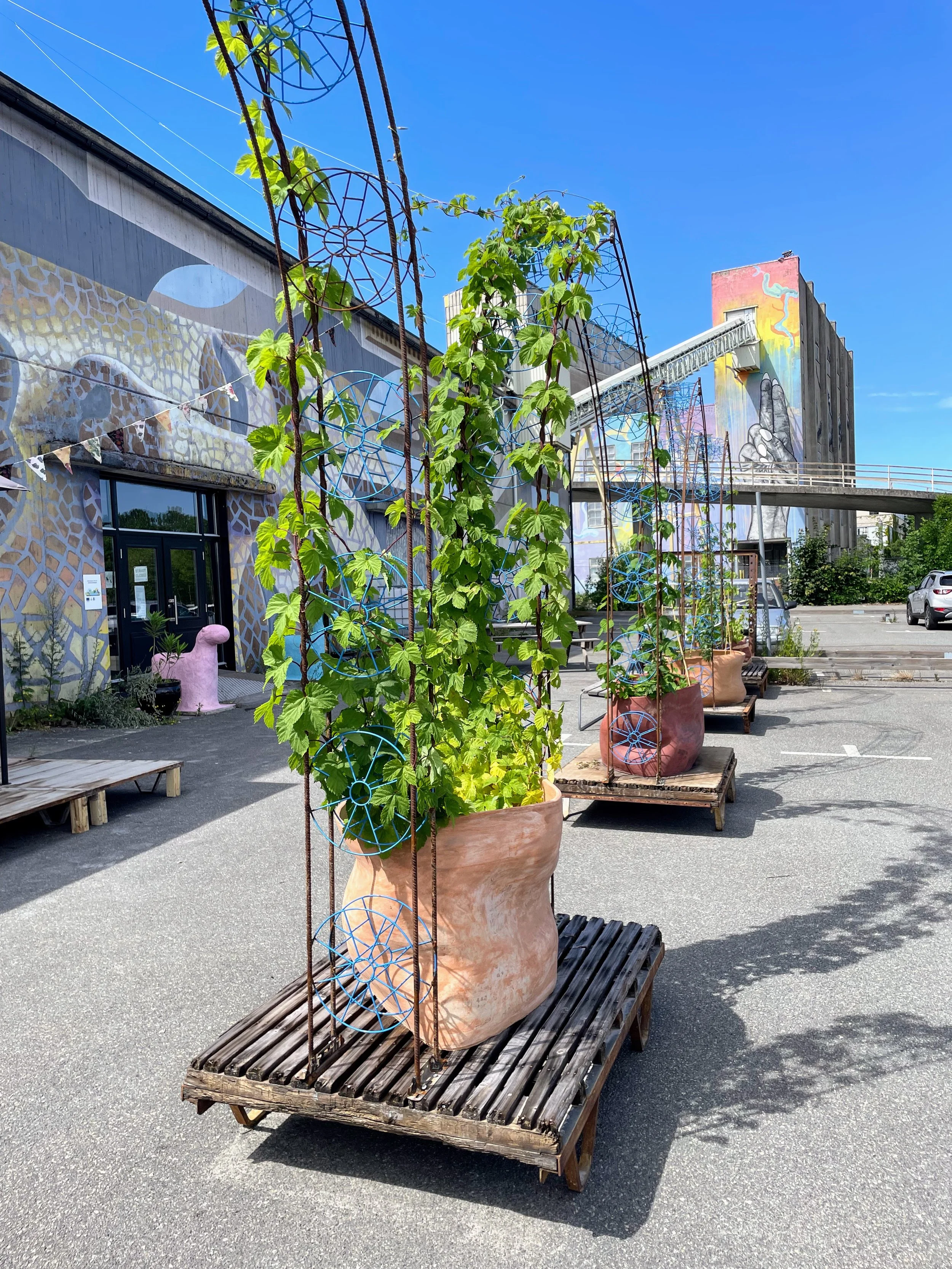
The large ceramic planters are produced from clay bodies developed from industrial silicate remnants collected across the former Iföverken factory.
Filled with compost and hops originating from the site, they reconnect geological resources, industrial heritage, vegetation and everyday community life within one evolving environmental system.
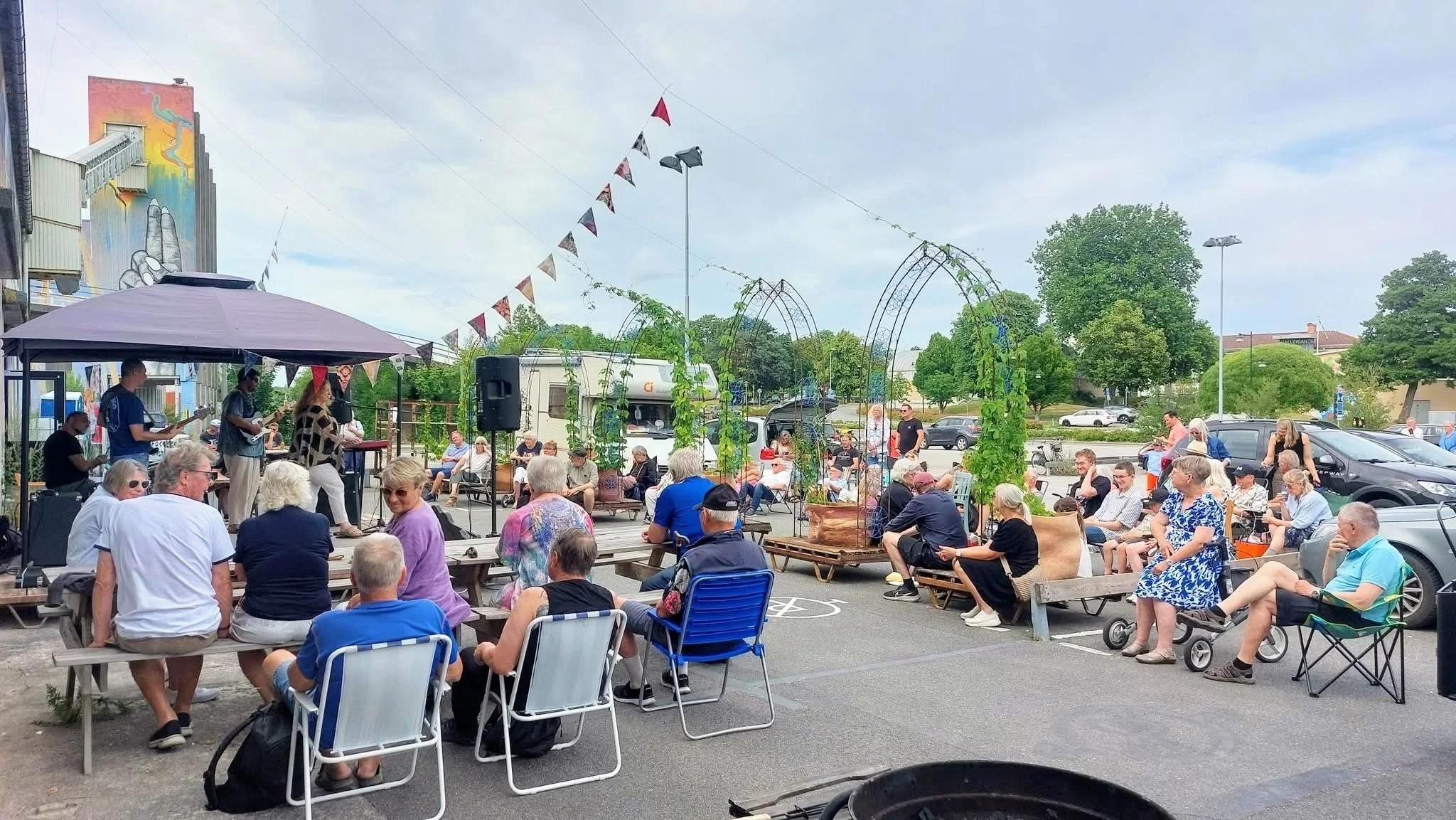
The ceramic planters establish the material foundation, while the hop structures—designed by Ifö Center member Marwan Chamoun—extend the installation vertically, allowing vegetation to gradually transform the entrance of the Art Hall into a living architectural landscape.
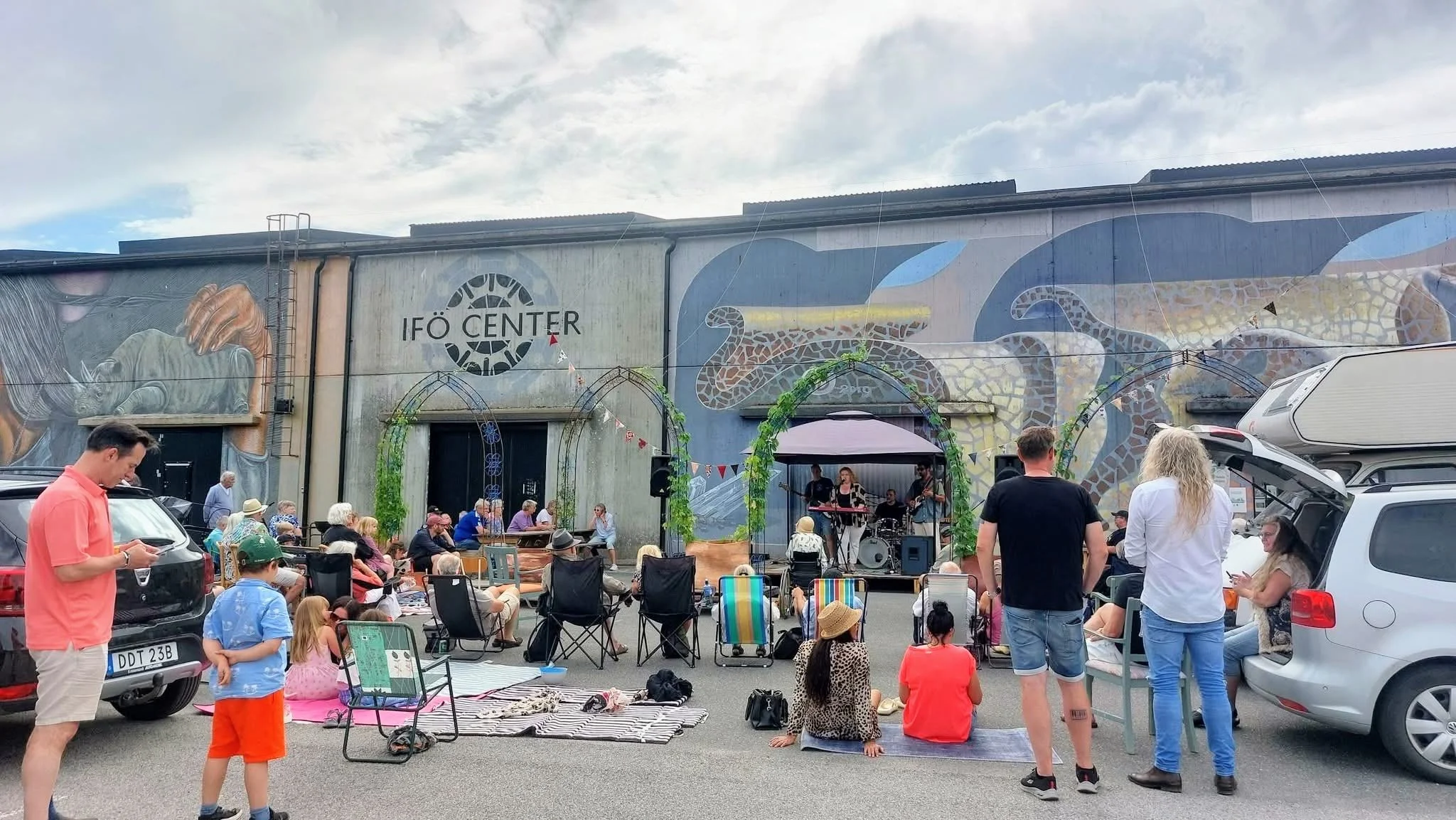
As the plants grow, the installation changes through seasons, weather and human activity.
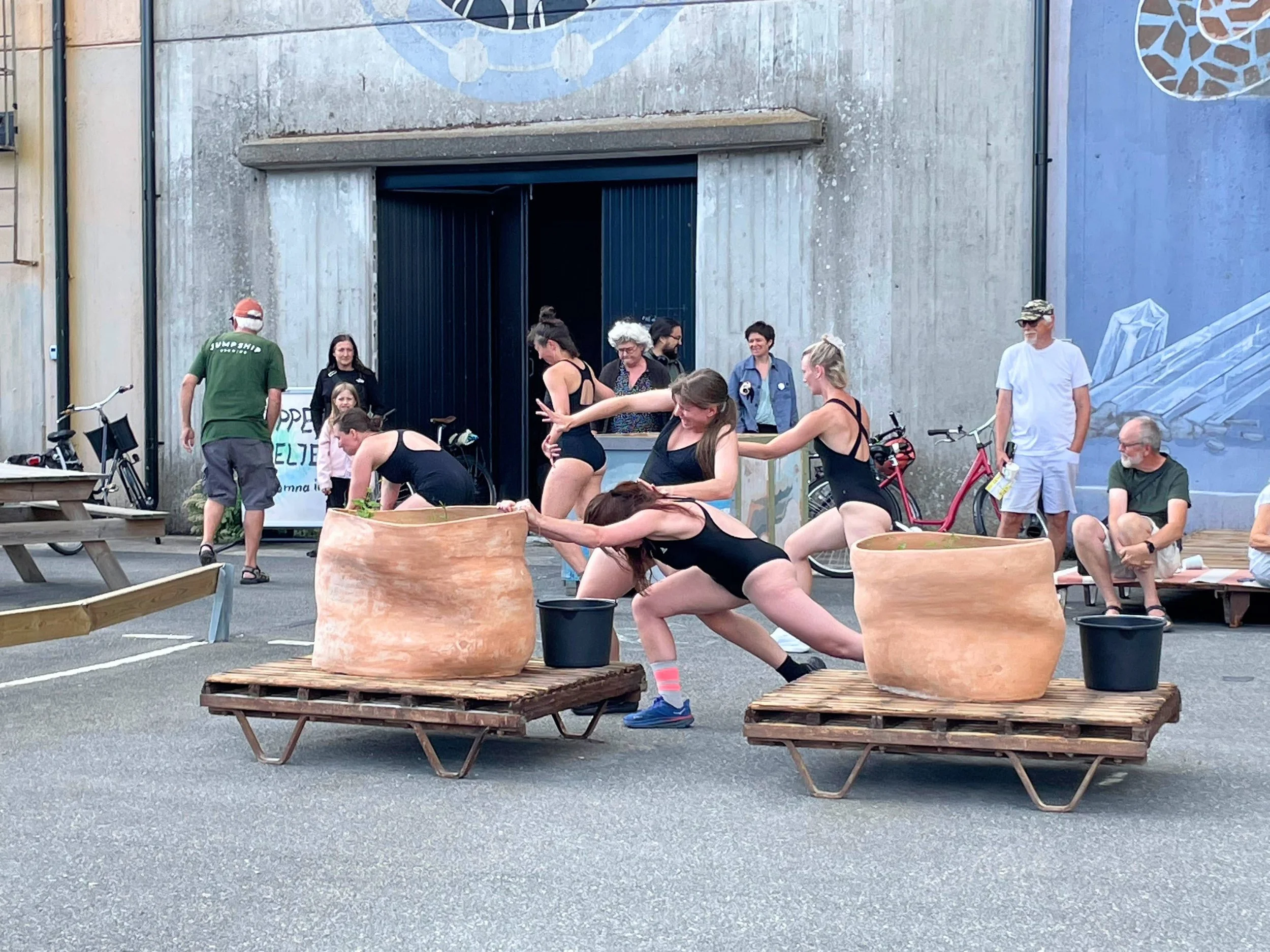
Artists have used the hop structures during residencies. Dancers have incorporated the installation into performances. Visitors regularly gather around it for conversations and fika.
IFÖPLANTS functions as a living environmental interface where materials, vegetation and people collectively participate in the ongoing regeneration of place.

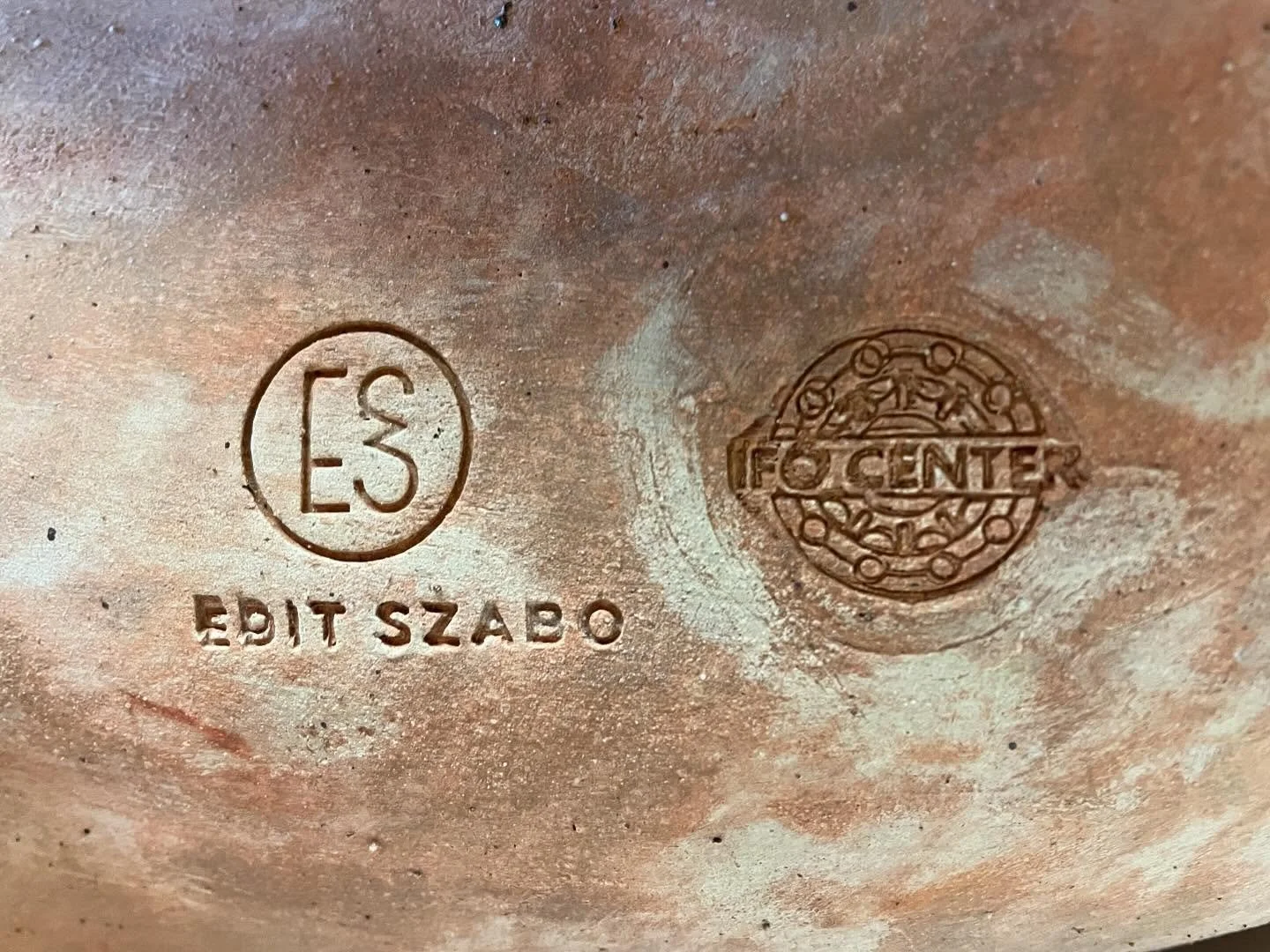
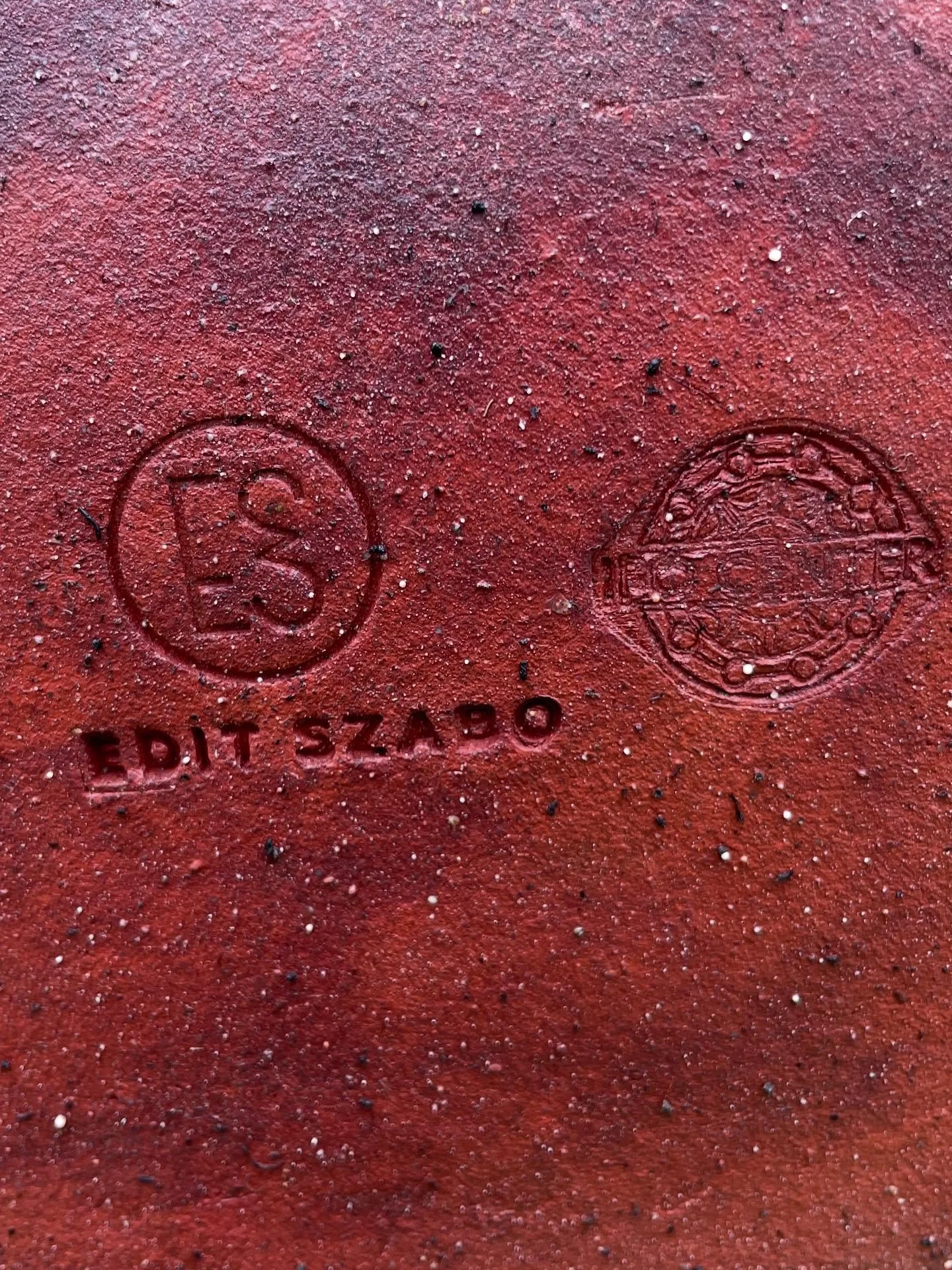
IFÖPOT
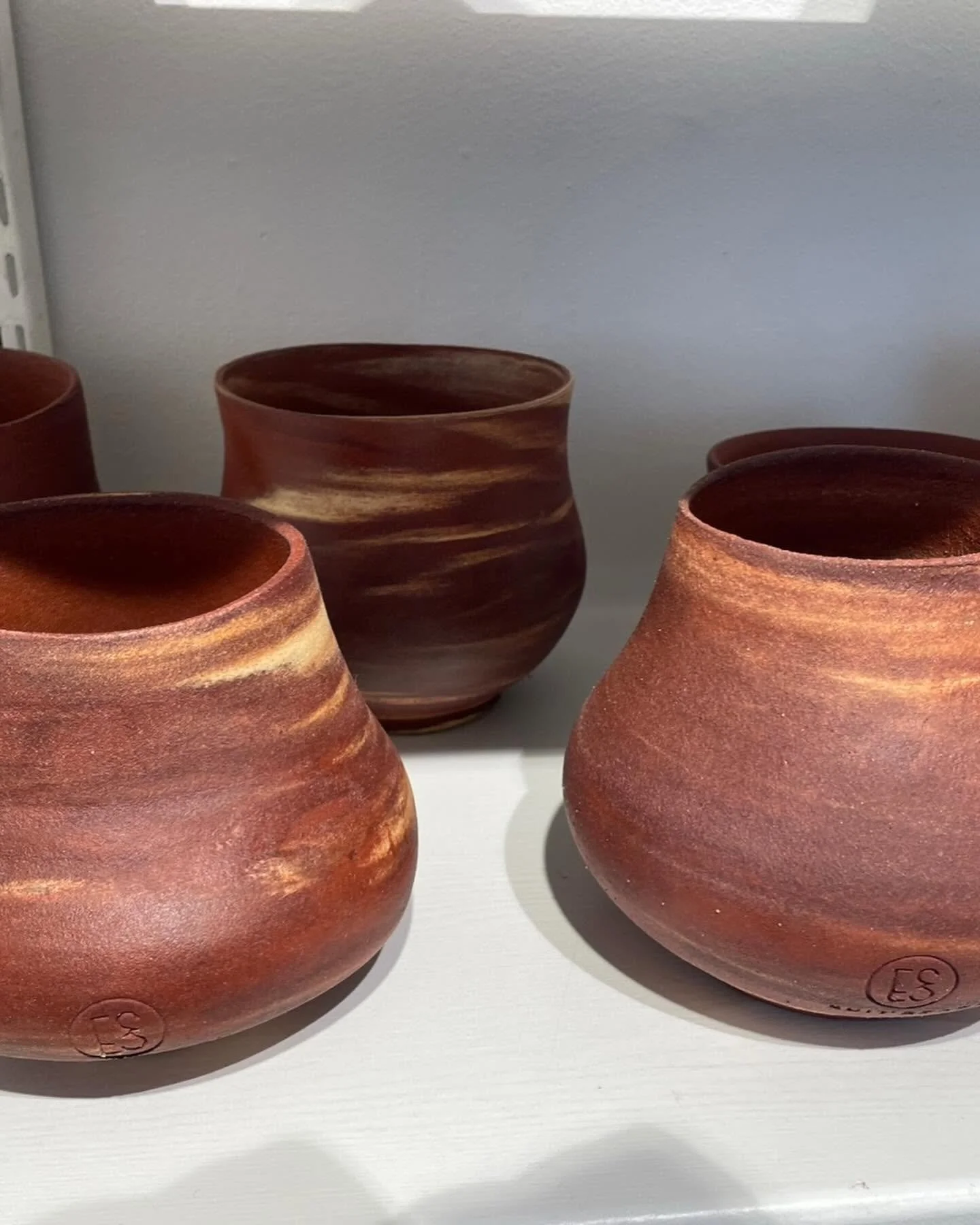
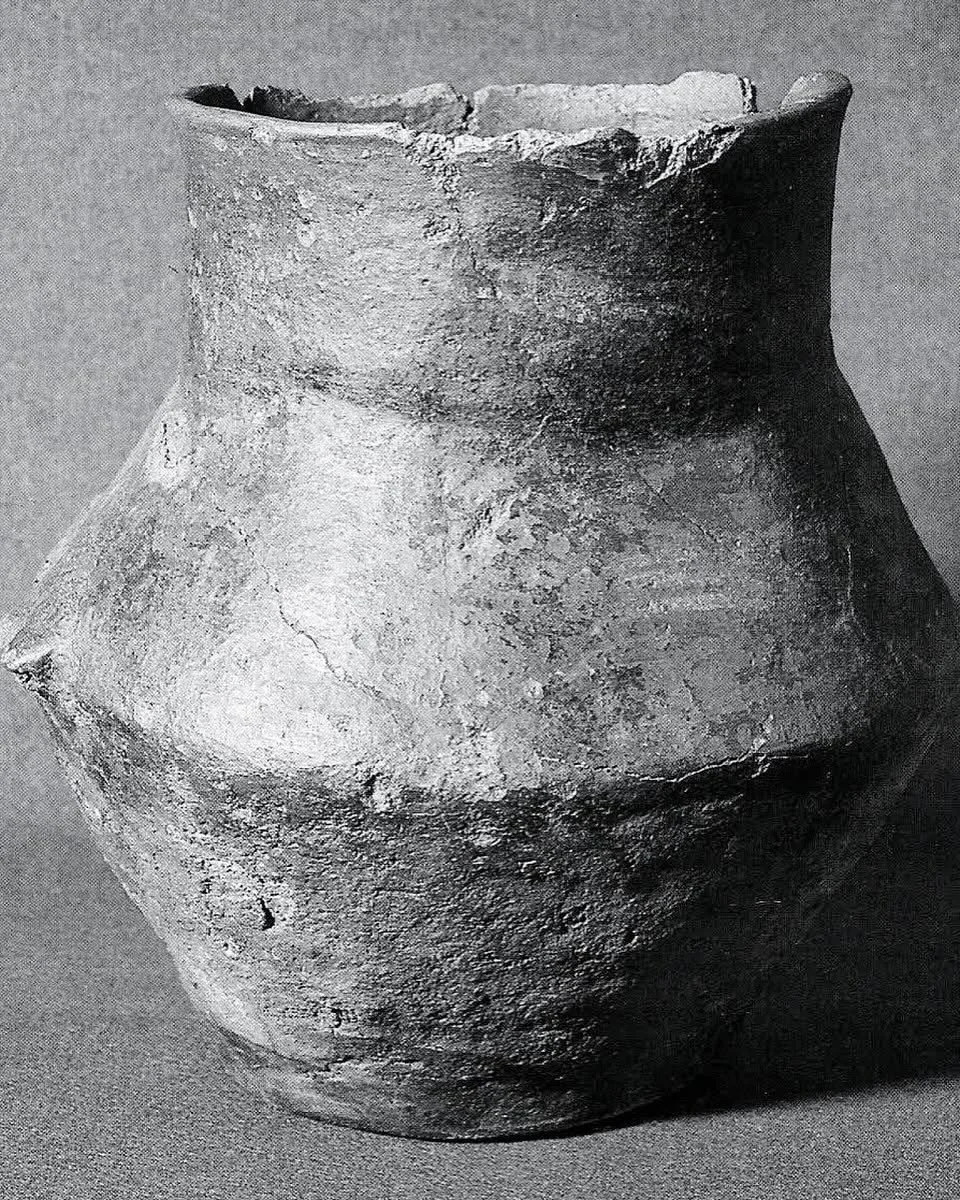
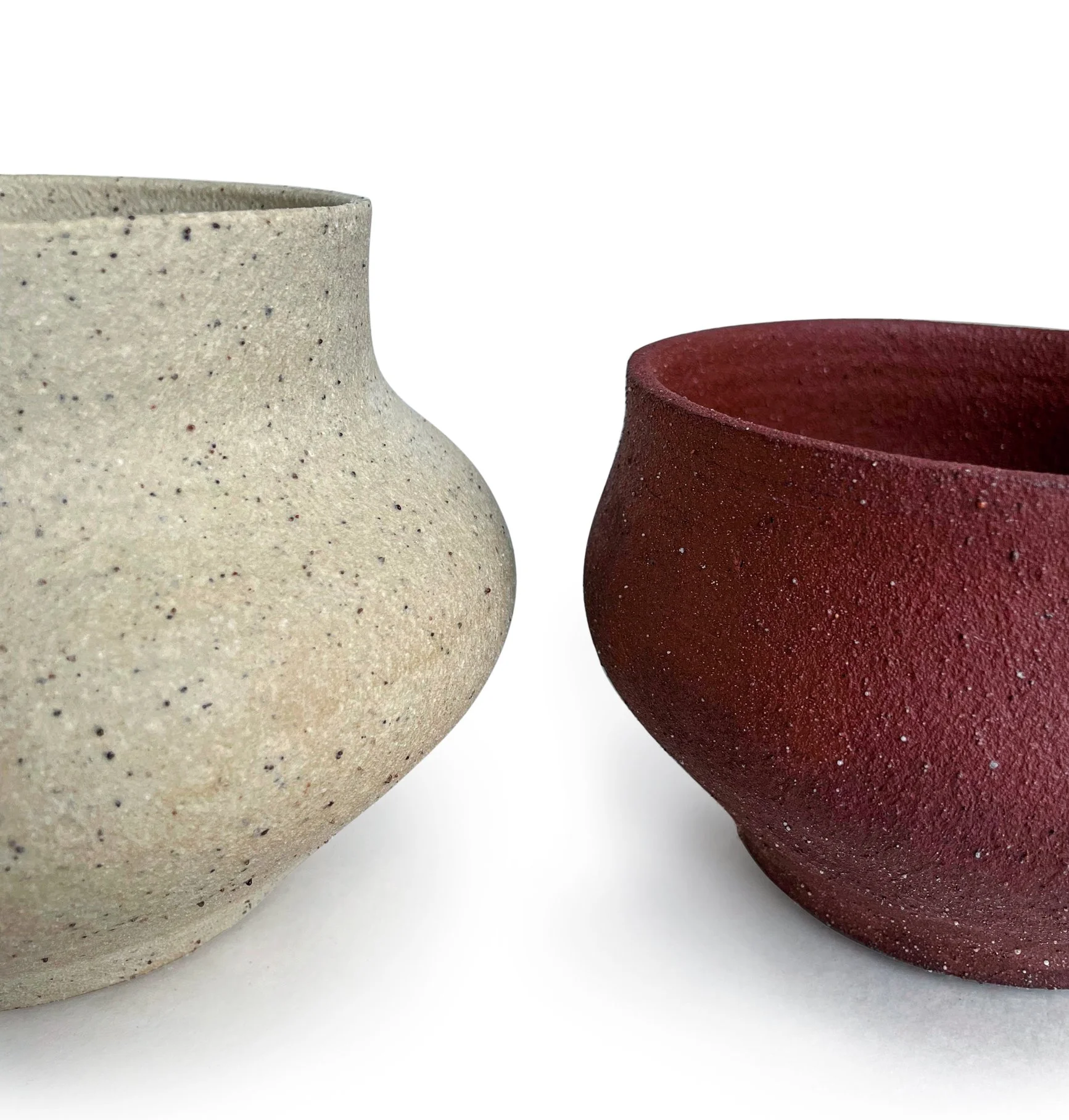
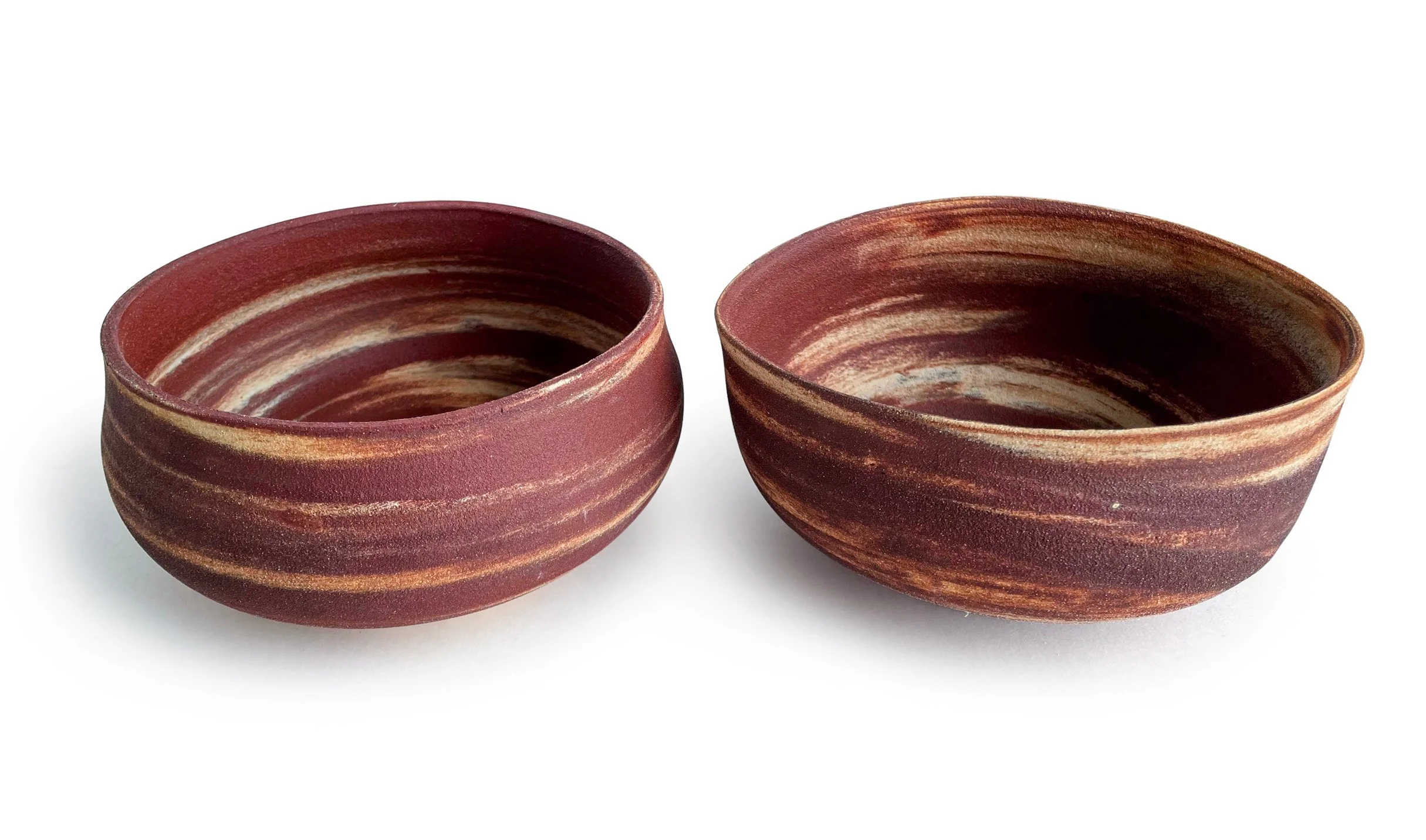
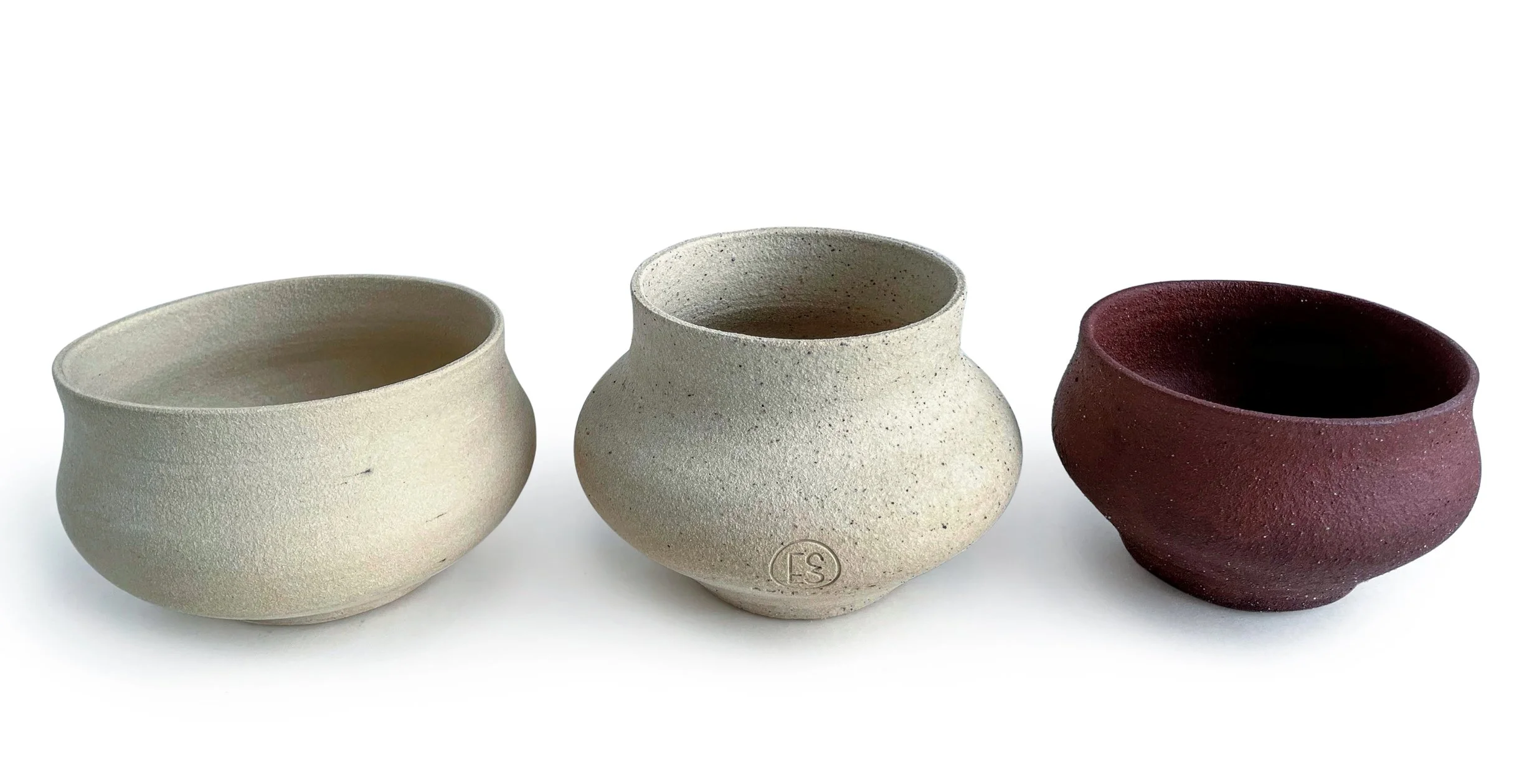
A series of locally produced pots and bowls developed from reclaimed factory materials.
Inspired by a Bronze Age vessel discovered in Bromölla, the collection connects geological origin, archaeological heritage, industrial history and contemporary craftsmanship through everyday use.
The collection allows regional material knowledge to continue through contemporary life while strengthening relationships between local identity, making and place.
Waste to Resource expanded my practice from investigating material transformation to investigating how materials participate in the regeneration of places.
The project demonstrates that environmental regeneration is simultaneously material, cultural and social. By reconnecting industrial remnants with ecological processes, public participation, regional identity and architectural thinking, material transformation becomes a way of reorganising relationships across environmental, cultural and built systems.
The investigation established the foundation for the ongoing development of Environmental Interface Design - a design methodology investigating how silicate materials connect environmental, cultural and architectural systems through material research and design.
Public Engagement
Public participation forms an integral part of the investigation.
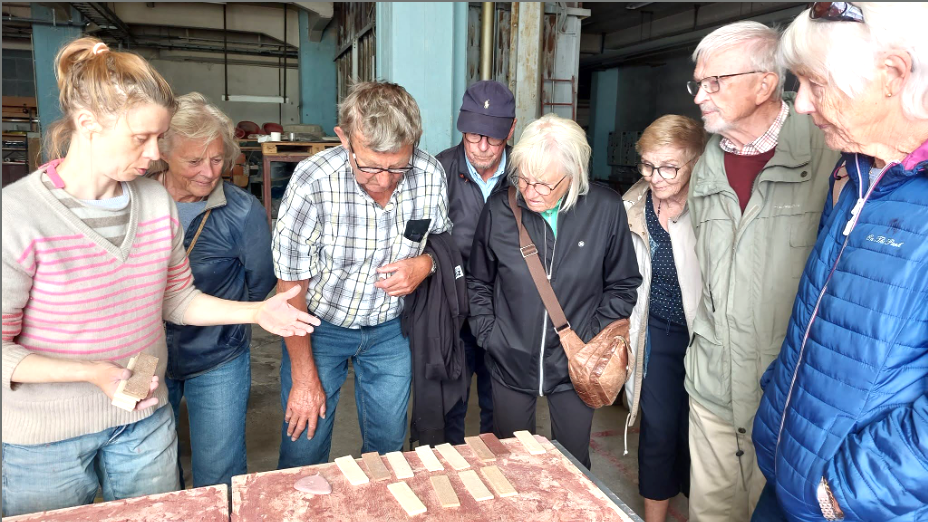
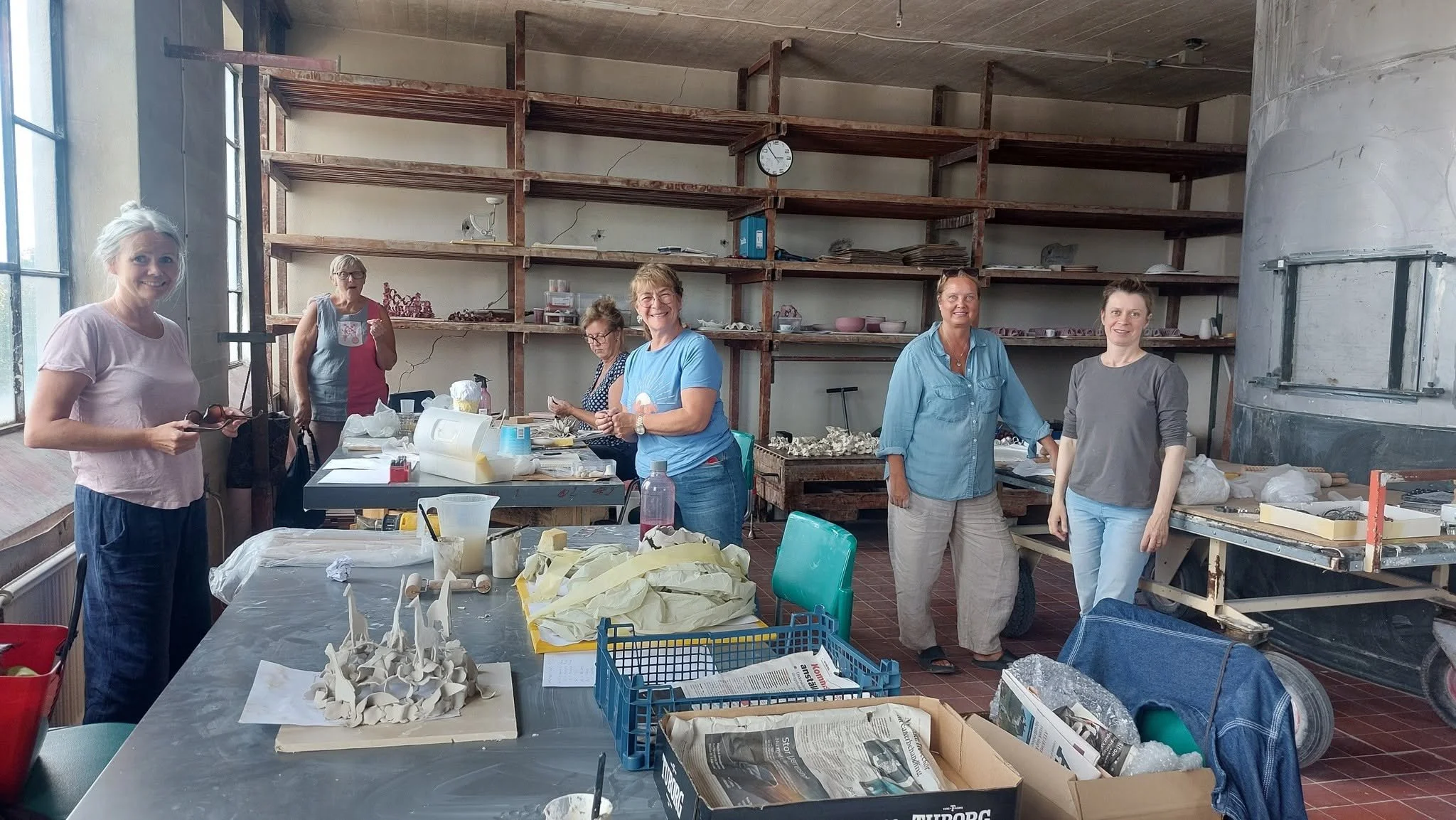
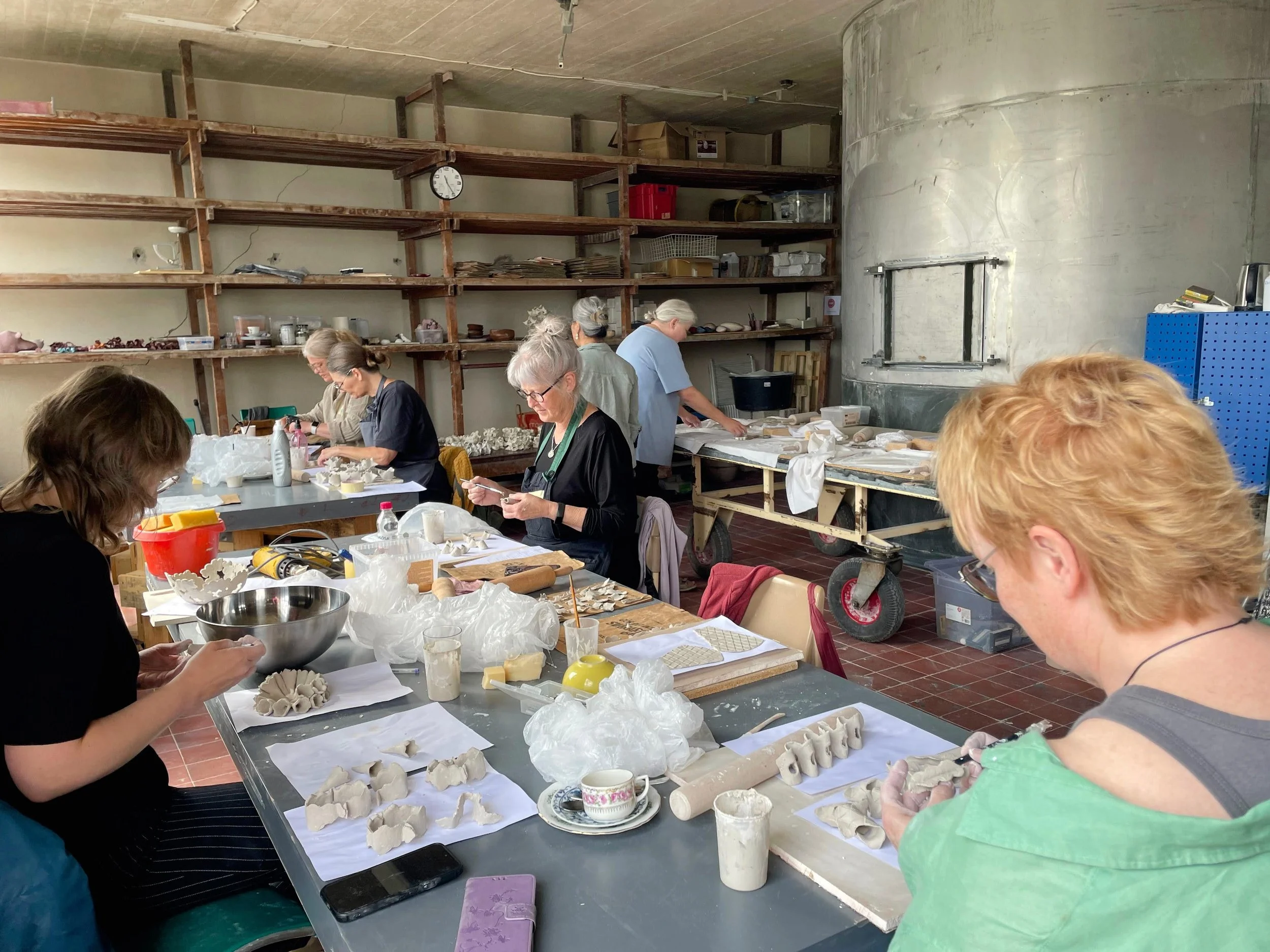
Workshops, guided tours, exhibitions and public events invite participants to engage directly with industrial materials, local histories and environmental questions through making, discussion and shared experiences.
These activities transform material research into a collective process where artists, residents, visitors and institutions actively contribute to the ongoing regeneration of place.
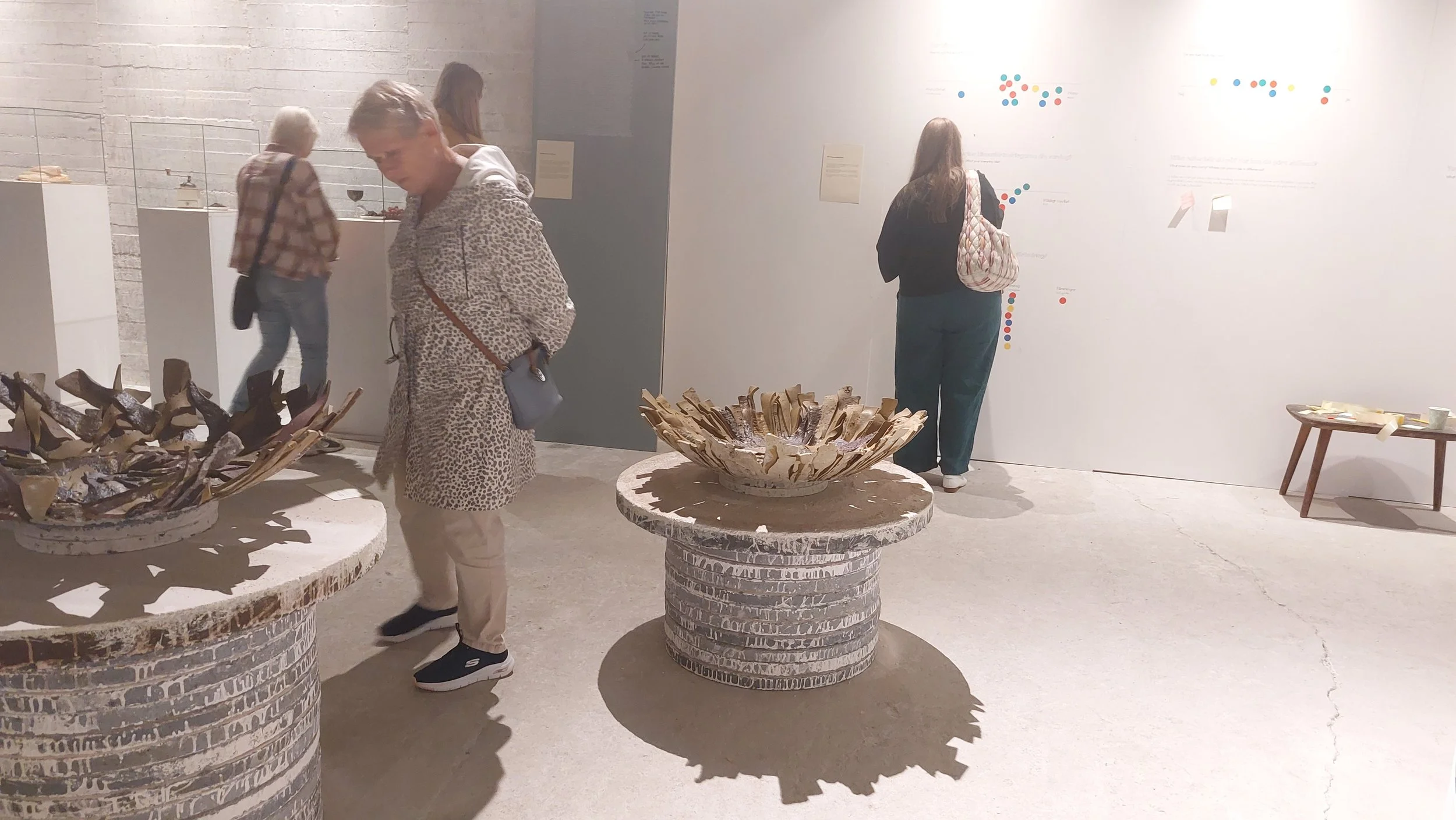
AG30 Residency exhibition at Ifö Center
The show was a joint exhibition with AG30 residency artist Alexandra Fransson.




Background
Waste to Resource at Ifö Center was supported by Ifö Center, Region Skåne and the European Union through the CCI4Change Interreg programme.
The project investigates how cultural and creative practices can contribute to environmental transition by developing new relationships between industrial resources, communities and the built environment.
Learn more about the project in THIS ARTICLE made by Development Skåne.


