Reshaping architectural space through material, light, sound and touch.
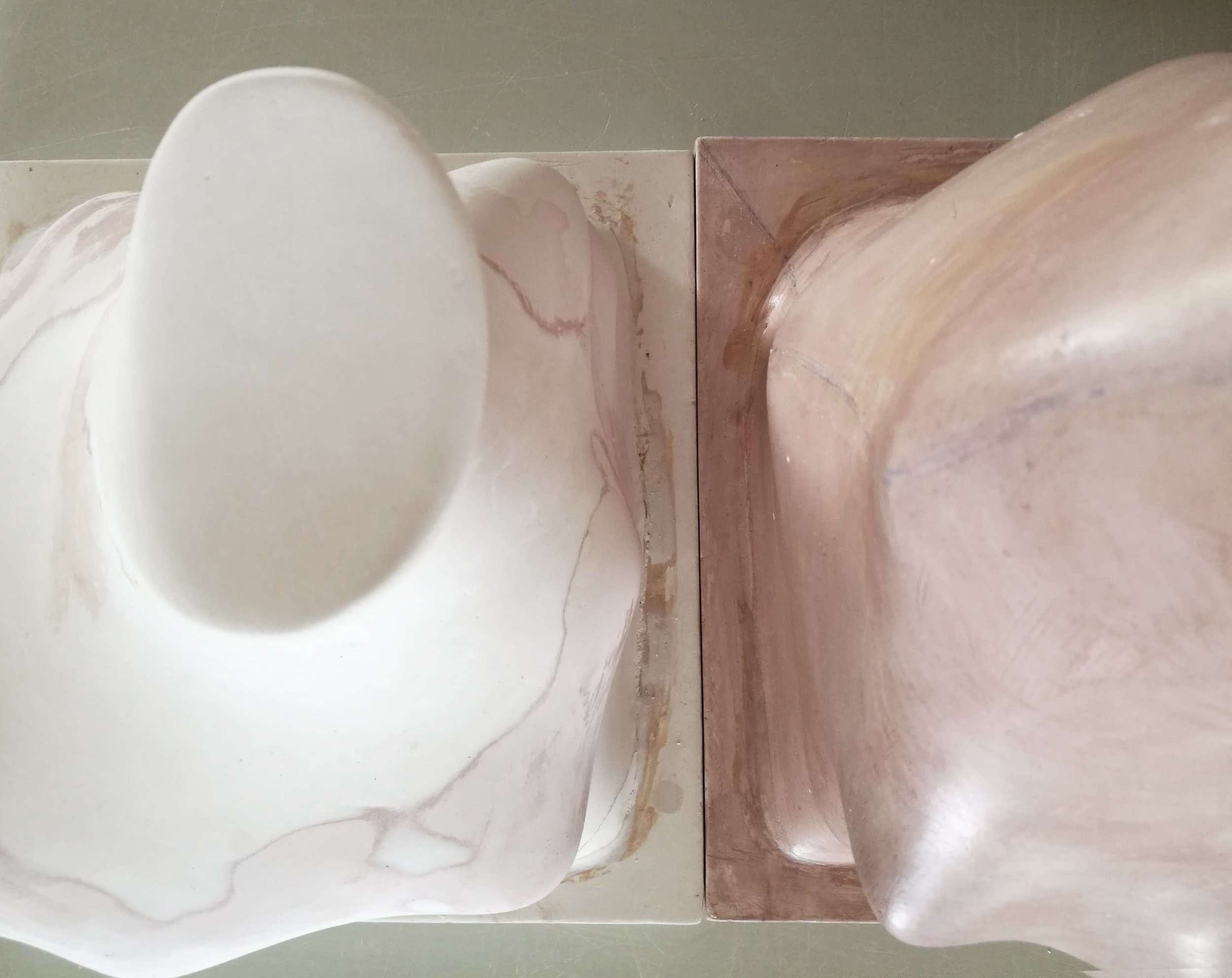
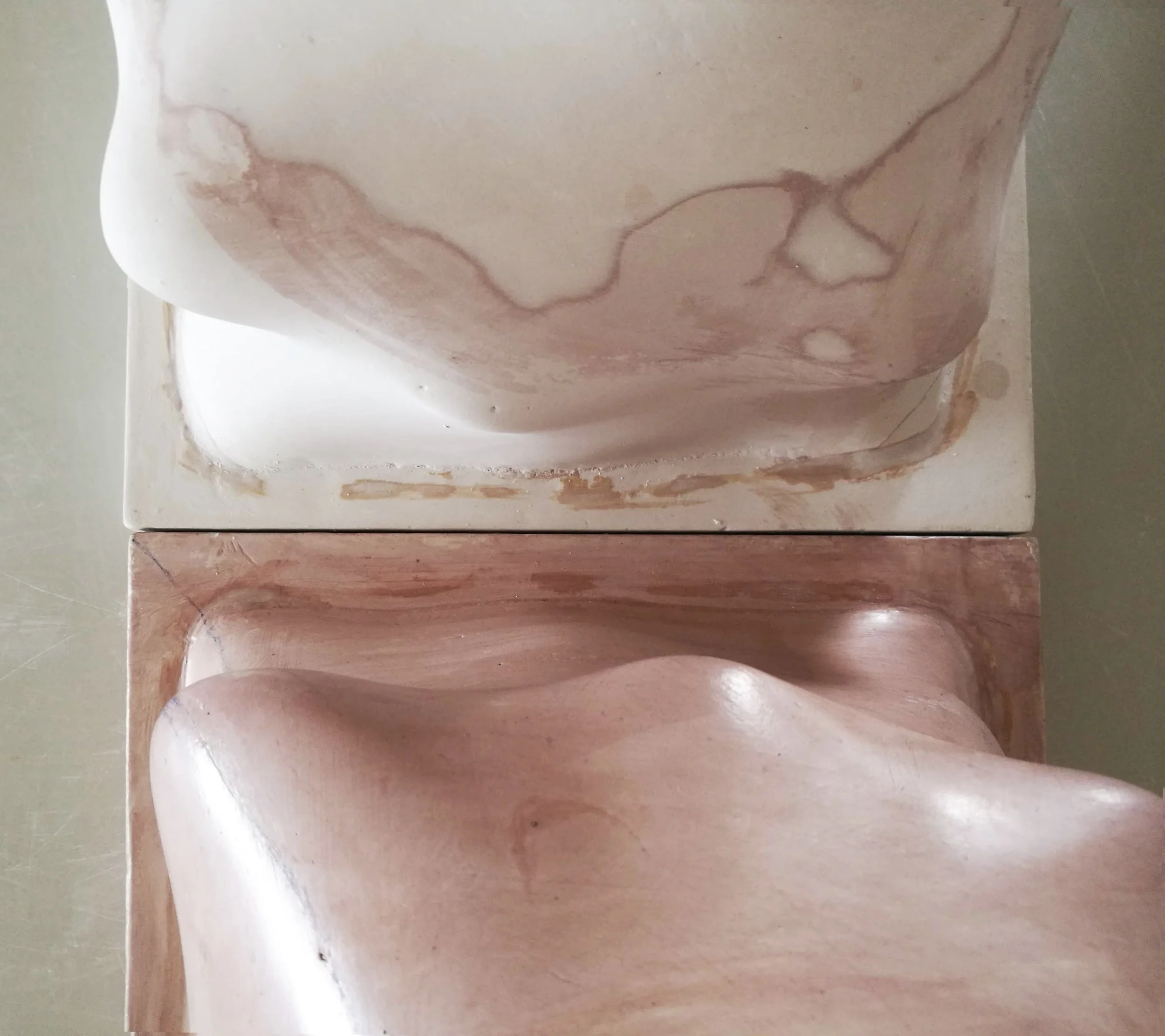
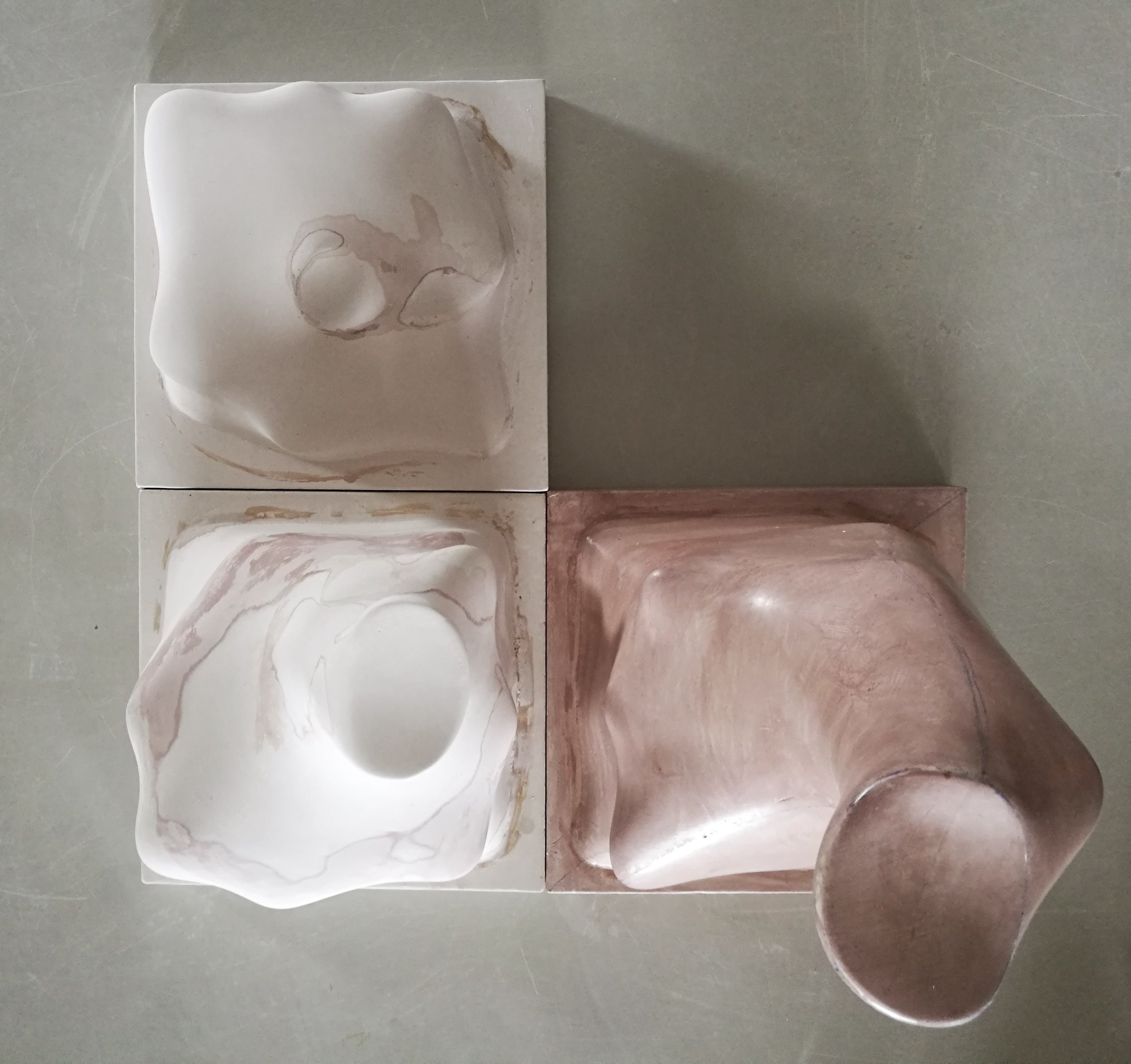
Translucent Interface investigates how ceramic materials can become active participants in architectural perception. Developed through a new translucent glass–porcelain composite, the project brings daylight transmission, acoustic resonance and tactile interaction into one architectural system.
The project proposes architecture as a multisensory interface: a place where material mediates between people, environment and space.
Investigation
Contemporary architecture increasingly needs materials that perform in more than one way. This project asks how ceramics can contribute to that shift - not only through durability or surface quality, but through perception.
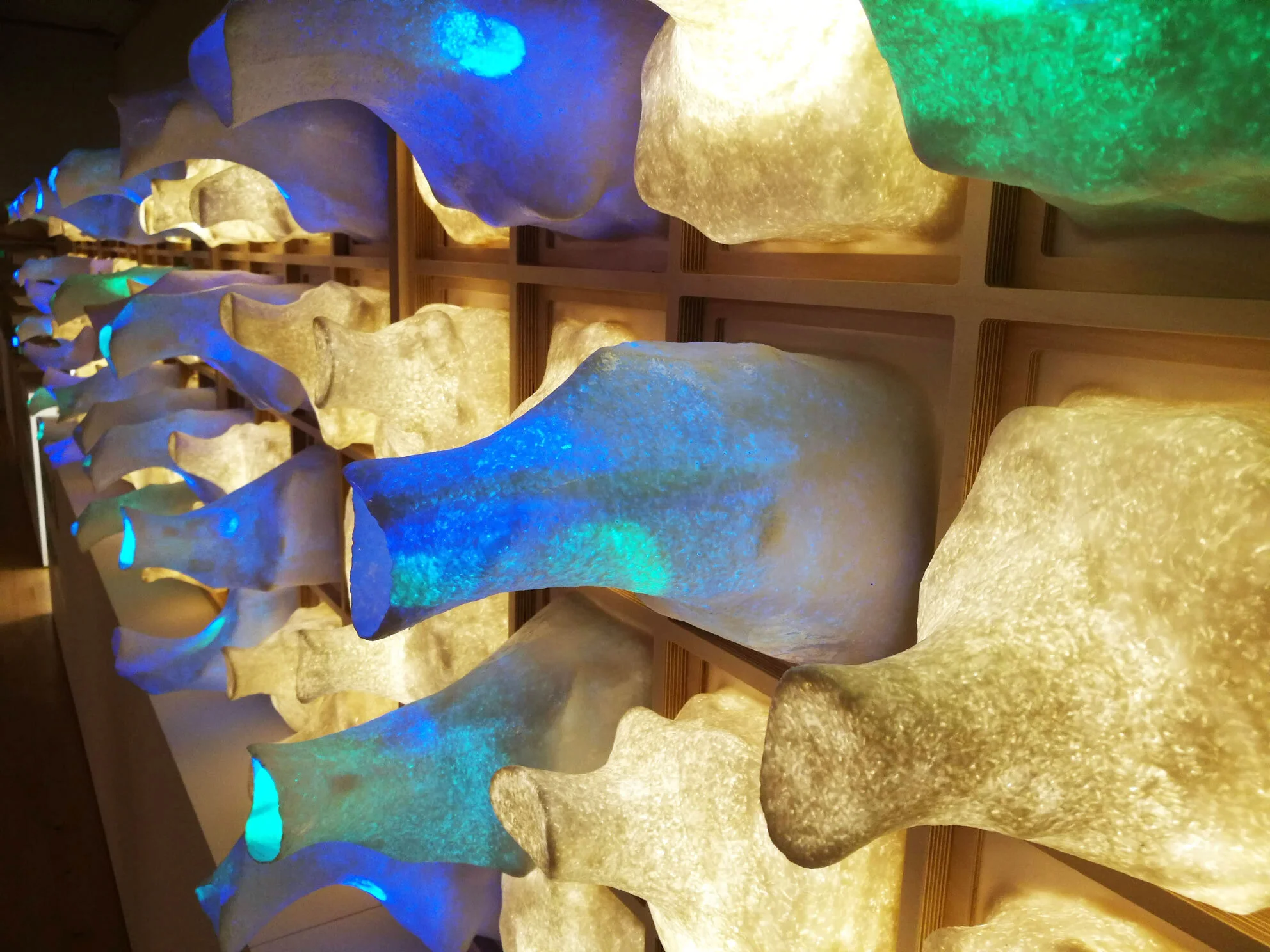
The investigation developed a translucent glass–porcelain composite capable of transmitting natural light while also supporting acoustic and tactile interaction. In PlatFORM, presented at Tate Exchange, this research became an interactive architectural installation where visitors encountered light, sound and touch as interconnected qualities of the same material system.
PUBLIC PRESENTATIONS
Tate Exchange, Tate Liverpool - PlatFORM - 22.09.2018 - 30.09.2018
RIBA North - Ceramica - 28.10.2017 - 10.02.2018
The Building Centre, London - Hand Held to Super Scale - 20.09.2019 - 31.01.2020
University of Liverpool
Material ↔ Perception
2017–2019
COLLABORATORS
University of Liverpool
Leeds University
ECAlab
Rosa Urbano Gutierrez
Amanda Wanner
Eduardo Coutinho
Ian Costabile
ASCER / Tile of Spain
TheSize Surfaces / Neolith
Material ↔ Perception
Material ↔ Light↔ Sound
Material ↔ Touch
Tate liverpool
PLATFORM
View project images
PlatFORM
Tate Exchange, 2019
PlatFORM expanded the investigation from demonstrating material behaviour to actively inviting public participation.
The installation became a multisensory architectural interface where visitors explored light, sound and touch through direct interaction.

Riba north Ceramica
View project images
Ceramica
RIBA North, 2018
The first architectural installation demonstrating the potential of the translucent glass–porcelain material.
The work introduced the relationship between daylight transmission, acoustic resonance and tactile engagement within an architectural setting.
Why the Ear Shell?
The ear shell was not used simply as a formal reference, but as a model of material intelligence.
Its geometry naturally amplifies sound, guides touch and invites interaction. Visitors begin to approach, touch and listen before they fully understand what the object is. This instinctive invitation became central to the project: participation emerges through curiosity rather than instruction.